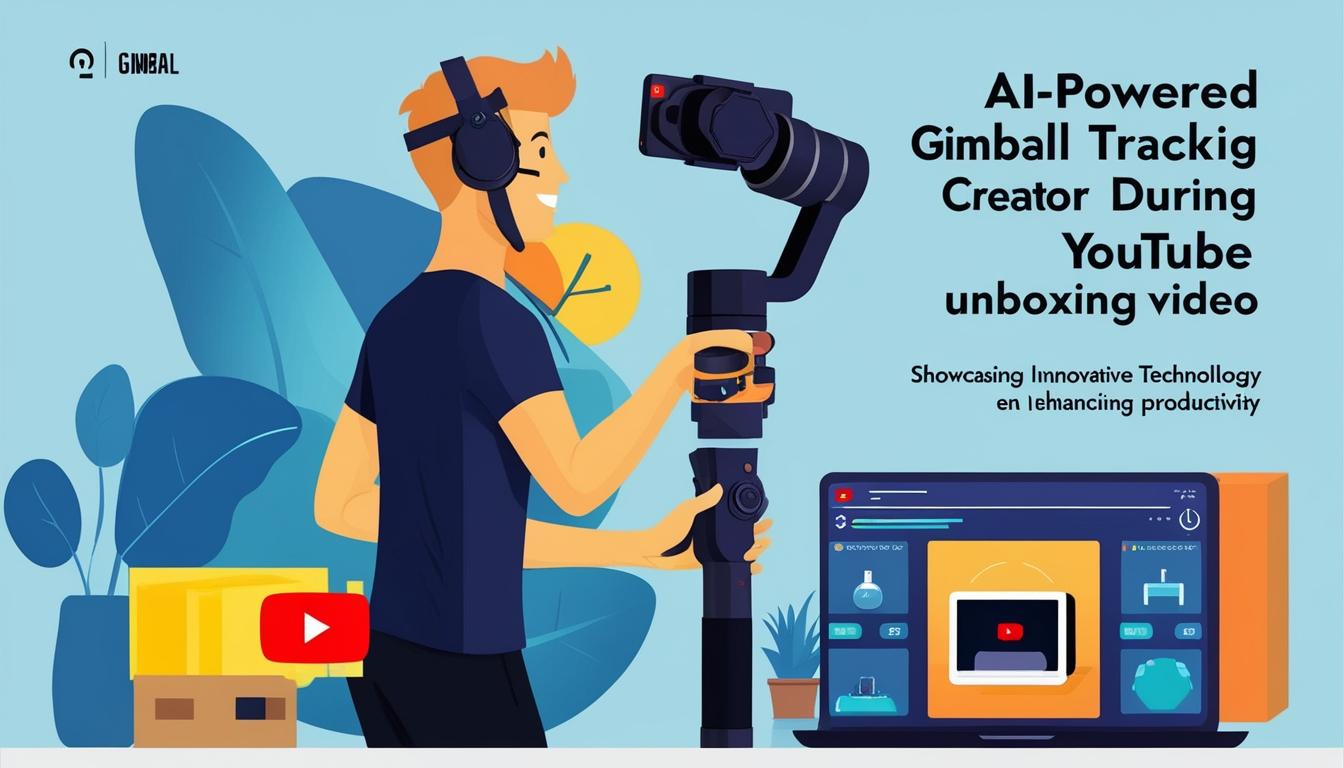
In an intriguing exploration of artificial intelligence (AI) applications, a series of AI tools have been tested for their utility in enhancing productivity for content creators, particularly within the realm of YouTube video production. David Gewirtz, a writer and video creator, recently documented his experience using AI technology to overcome common challenges associated with producing video content.
The central focus of Gewirtz's project was an unboxing video of the Anycubic Kobra 3 Combo, a 3D printer capable of printing in multiple colours simultaneously. Unboxing videos, popular among YouTube audiences for their engaging format and detailed exploration of new products, present certain filming challenges, such as ensuring the subject remains within the camera frame during spontaneous movements. Gewirtz tackled this issue with the Hohem iSteady v3 gimbal, an AI-powered device he purchased for $100. The gimbal, equipped with an AI module, effectively tracked Gewirtz's movements around his workshop, addressing the common problem of drifting out of frame.
The iSteady v3 gimbal's AI capabilities allowed for adaptive tracking without the necessity of an accompanying app, recognising simple hand gestures to adjust filming modes and track movements. This feature proved crucial as Gewirtz navigated around obstructive workbenches and boxes during the filming process. Additional filming was conducted using a series of iPhones and iPads, strategically placed for comprehensive coverage and real-time monitoring.
For transcription purposes, Gewirtz utilised MacOS's Voice Memos app within the latest version of the operating system, Sequoia. By exporting the audio from his edited video and dragging the file into Voice Memos, he initiated an automatic transcription process. Although the transcription was not flawless—failing to accurately capture names and product details—it sufficed for basic captioning needs without incurring costs associated with premium transcription services.
Leveraging AI for additional post-production tasks, Gewirtz employed OpenAI's ChatGPT to generate video titles, descriptions, and tags. Despite not being able to "watch" the video, ChatGPT analysed the transcribed text to suggest potential titles and descriptions, proving a helpful resource even if not on par with commercial tools like TubeBuddy for tag optimisation.
Reflecting on the efficacy of the AI tools, Gewirtz graded the Hohem iSteady v3 gimbal with an 'A', underscoring its effectiveness in motion tracking. The Voice Memos transcription feature received a 'C', acknowledging basic functionality but highlighting accuracy limitations. ChatGPT received a 'B+', praised for generating useful content suggestions but noted as being less efficient than manual writing for professionals versed in content creation.
The integration of these AI tools illustrates the growing trend of using machine learning technologies to streamline video production, offering creators innovative solutions to long-standing challenges. While Gewirtz may continue to rely on his adept writing skills for most tasks, his exploration underscores the potential role AI can play in augmenting creative workflows for the digital age.
Source: Noah Wire Services