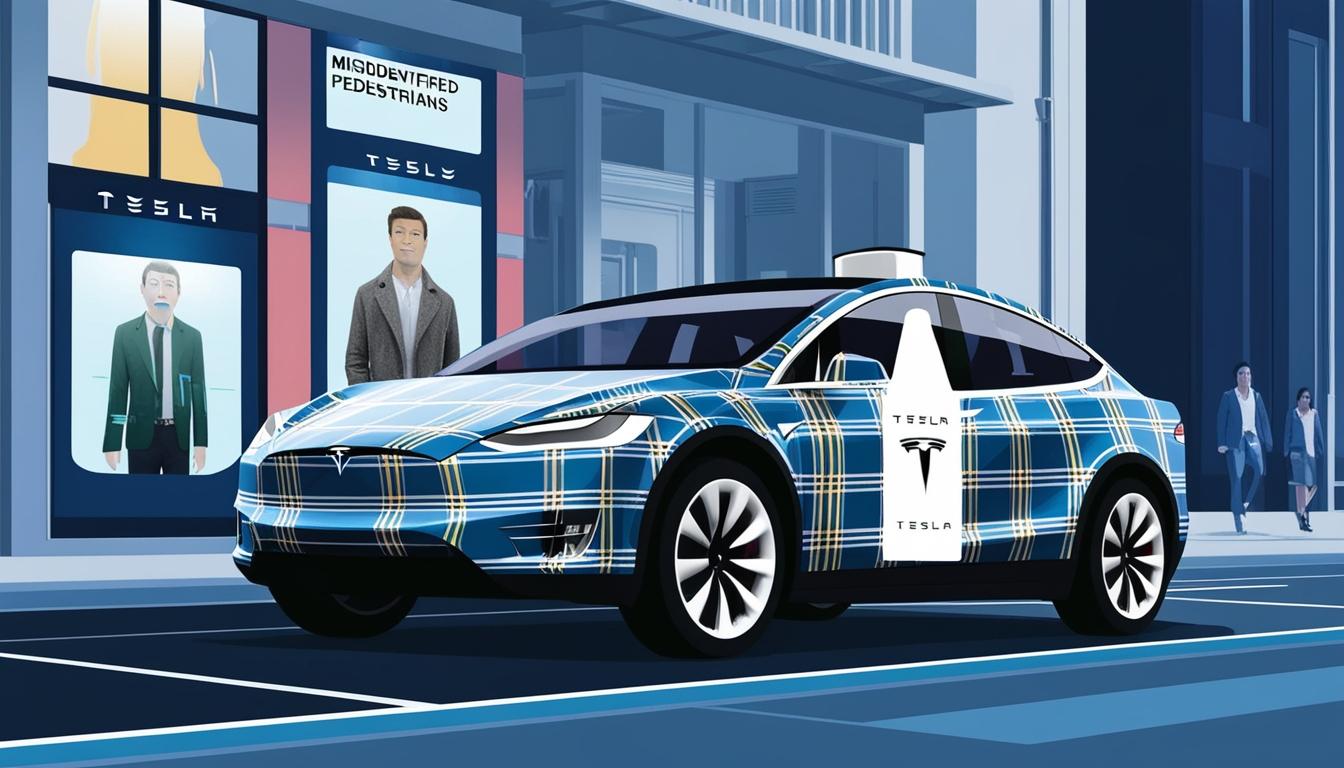
At a recent conference in Laguna Niguel, California, Kathi Vidal, a prominent figure in U.S. AI policy and currently the director of the U.S. Patent and Trademark Office, spotlighted a peculiar issue with Tesla vehicles, specifically their onboard software. During the Fortune’s Most Powerful Women conference, Vidal, who drives a Tesla Model S Plaid, revealed that the vehicle's AI system routinely misidentifies pedestrians, portraying them predominantly as tall white men on its screen.
In a candid discussion about her personal experiences with Tesla's technology, Vidal detailed the inconsistencies she's observed. "When I drive, and I see a voluptuous woman walk across the street, Elon depicts her as a tall white man," she reported, adding that she has noticed the AI consistently categorising all pedestrians in this manner. This anomaly has not gone unnoticed by Vidal, who plans to purchase a Tesla Roadster, yet she has warned Elon Musk, Tesla's CEO, that she might reconsider this decision if the issue remains unaddressed. "Elon, if you’re listening, I’m going to withdraw my money if you don’t change that," she stated.
Kathi Vidal's background is rooted deeply in engineering and intellectual property law, with prior experience at Lockheed Martin and General Electric. In 2021, she was appointed by President Joe Biden to her role, where she focuses on promoting innovation and maintaining national security, particularly in relation to artificial intelligence (AI). Vidal's history with AI dates back to the early 1990s when she was part of a pioneering team developing systems to detect aircraft faults. This was an era that predated the extensive big data and connectivity we see today, bringing different challenges and perspectives to AI development.
Apart from addressing AI-related concerns, Vidal is intent on ensuring the U.S. remains competitive through job creation and innovation in technology. At the conference, she reiterated the Biden-Harris administration's initiatives to build tech hubs across the country—specific mentions included efforts in Colorado and Chicago, aimed at expanding capacities in quantum computing. These programmes are designed to aid the manufacturing, commercialisation, and deployment of new technologies, essentially creating mini 'Silicon Valleys' across various regions to foster growth and innovation.
While Vidal's critique of Tesla's AI functionality raises questions about the broader implications of AI algorithms and bias, her statements at the conference also signal her commitment to continued development and oversight of the technology sector, seeking input from diverse sources to help guide future policy and regulation. As the U.S. approaches the forthcoming presidential election, such discussions and initiatives could play a significant role in shaping the national conversation around technology and innovation.
Source: Noah Wire Services