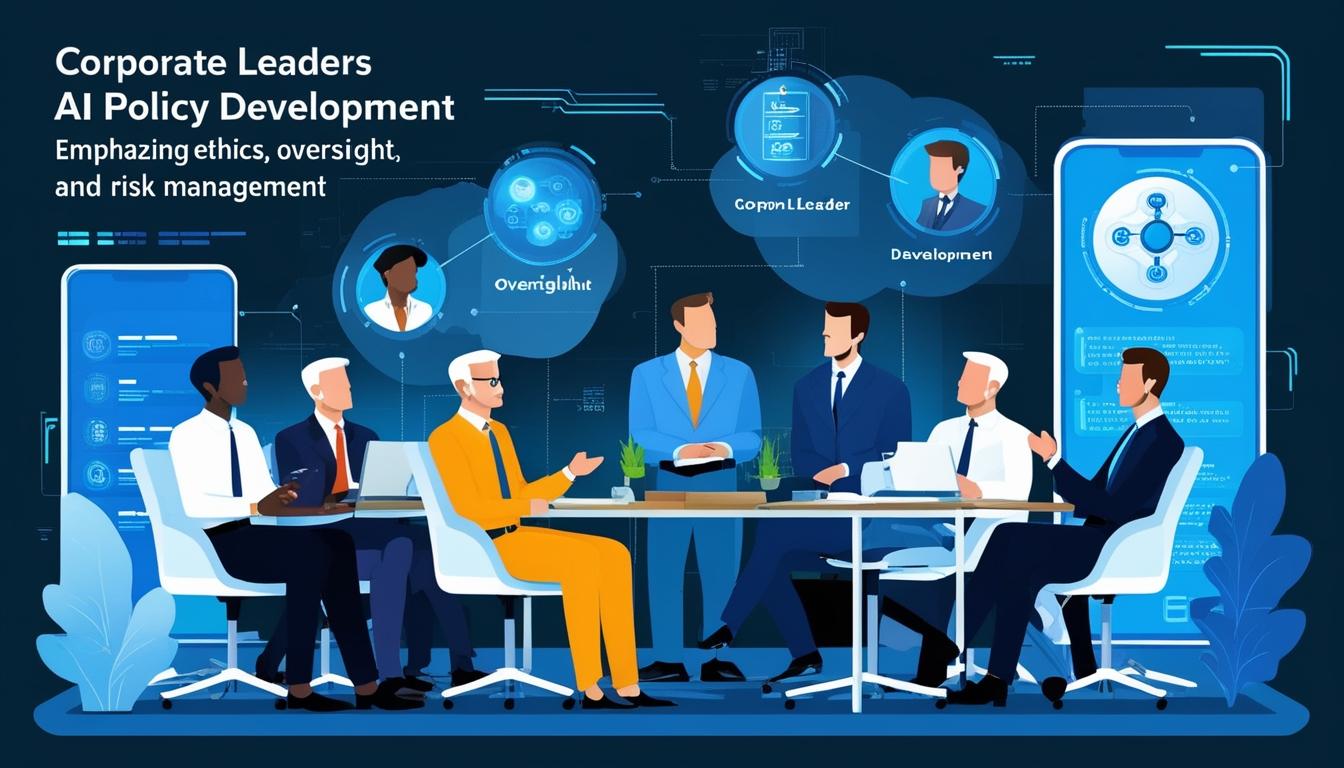
The Imperative of Establishing Corporate AI Policies in the Workplace
In a rapidly evolving technological landscape, the integration of Artificial Intelligence (AI) within the corporate sphere has become an inevitable development. The AI revolution is not only reshaping industries but also challenging organizations to address a myriad of considerations to effectively manage its implementation and mitigate associated risks. For business leaders, crafting a comprehensive corporate policy on the use of AI in the workplace has become imperative.
The need for such policies arises from the growing presence of AI technologies across various business operations. These technologies hold significant potential to enhance productivity, streamline processes, and deliver valuable insights. However, their integration also brings about challenges relating to ethical use, data privacy, security, and potential bias in algorithms. Consequently, organizations must approach AI adoption with a strategic mindset that encompasses practical implementation, rigorous oversight, and robust risk management.
Formulating an effective AI policy involves several layers of consideration. Firstly, business leaders need to establish clear objectives for AI utilization that align with the company's overarching strategic goals. This ensures that AI initiatives are purpose-driven and effectively contribute to business growth.
Secondly, it is crucial to define roles and responsibilities pertaining to AI oversight within the organization. This includes appointing a dedicated team or individual responsible for monitoring AI systems, evaluating their performance, and ensuring compliance with established guidelines.
Moreover, risk management plays a pivotal role in crafting AI policies. Companies must assess potential risks associated with AI deployment and develop strategies to mitigate them. This might involve conducting impact assessments, implementing robust data protection mechanisms, and establishing protocols for addressing ethical concerns.
Additionally, continuous education and training for employees across all levels are essential to ensure smooth AI integration. Staff should be equipped with the necessary knowledge and skills to work effectively alongside AI technologies and understand their implications in daily operations.
As legal landscapes evolve alongside technological advancements, organizations are also advised to seek tailored legal counsel to address specific concerns and ensure compliance with relevant regulations.
This push towards establishing well-defined AI policies underscores the broader narrative of navigating the complex interplay between technology and business, while safeguarding ethical standards and organizational integrity. As AI continues to proliferate, the manner in which companies manage its integration will play a crucial role in determining their future success and sustainability in the digital age.
Source: Noah Wire Services