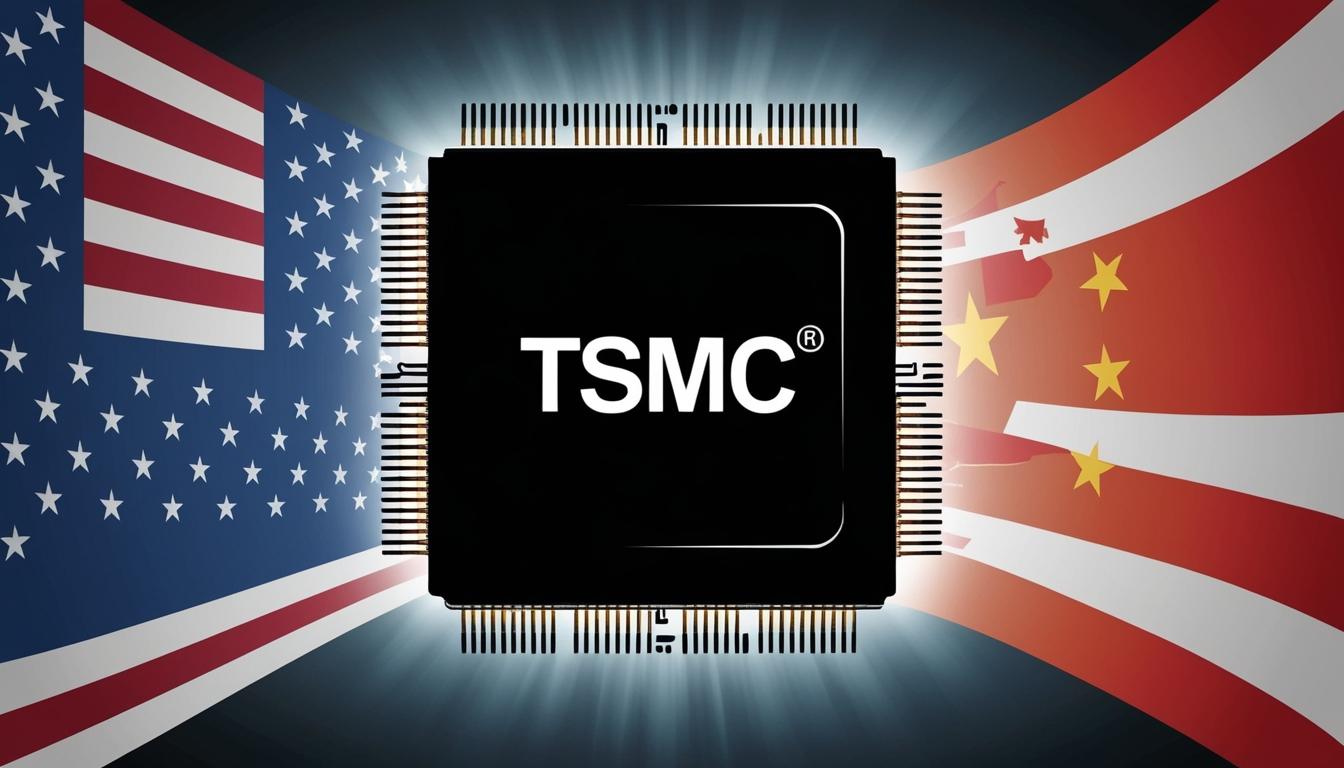
US Commerce Department Investigates Alleged Collaboration Between TSMC and Huawei
Amidst escalating tensions in international technology trade, the United States Department of Commerce is conducting an investigation into the Taiwan Semiconductor Manufacturing Company (TSMC) over allegations of aiding Huawei Technologies Co. in developing advanced smartphone and artificial intelligence chipsets. This investigation comes amidst stringent US-imposed 5G export controls aimed at curtailing Chinese access to American technological advancements.
Background and Allegations
According to numerous reports, anonymous sources have suggested that TSMC may have bypassed these US restrictions by facilitating Huawei's recent technological advancements. These include the development of sophisticated smartphone chips and AI systems, which are increasingly influential in the Chinese market and beyond. The Information, a news outlet, has relayed that the Commerce Department is examining claims that TSMC provided substantial support that enabled Huawei's progress, particularly in its latest series of devices.
It has been suggested that TSMC, which holds significant partnerships with major tech companies like Apple, might have assisted in manufacturing and designing Huawei's specialized AI chipsets. Such cooperation, if confirmed, would represent a breach of the current US embargo on technology transfers to certain Chinese entities, with Huawei being a primary target due to its alleged connections with the Chinese government.
Response and Regulatory Context
TSMC, headquartered in Taiwan, has responded to these allegations by asserting its compliance with international law. In a statement via Reuters, the company described itself as a "law-abiding company," affirming its adherence to all relevant laws and regulations. Meanwhile, the US Commerce Department has refrained from commenting on the ongoing investigation.
This scrutiny is rooted in broader geopolitical dynamics, particularly those concerning US-China relations. Successive US administrations have imposed restrictions on Chinese technology firms, with Huawei frequently at the centre of such measures. These restrictions are part of broader efforts to maintain domestic and international cybersecurity and to mitigate perceived national security risks posed by technologies potentially influenced by Chinese state interests.
Huawei's Technological Growth
Despite these constraints, Huawei has continued to expand its technological footprint. The company has used its resources to bolster its standing in the realms of smartphone and AI technologies, potentially outpacing competitors both in China and globally. Recent financial reports highlight a notable 10% increase in Huawei's revenue, reaching approximately $12 billion, suggesting significant resilience and capability in the face of international restrictions.
Huawei's ability to innovate and secure components essential for its technological processes continues to draw scrutiny, as suspicions linger about potential ongoing access to off-limits American technologies. The rise in Huawei’s fortunes aligns with reports of possible external assistance, such as that allegedly provided by TSMC, enabling the company to circumvent direct US control mechanisms.
Implications and Ongoing Rivalry
The investigation into TSMC’s activities highlights the broader technological rivalry between the US and China. Both nations remain engaged in a high-stakes race to secure dominance in next-generation technologies, from 5G networks to AI development. This rivalry has precipitated a series of regulatory and economic maneuvers aimed at hampering each other’s technological progress and market access.
The current probe into TSMC represents another pivotal moment in this ongoing saga, reflecting the complexities of global supply chains and the intricate web of international corporate relationships amid rising geopolitical tensions. While TSMC maintains its compliance with laws, the outcome of this investigation could have significant ramifications for both the company and the wider semiconductor industry, especially in relation to US-China technology relations.
Source: Noah Wire Services