AI Impersonation Fraud: The Emerging Threat in Cybersecurity and Innovative Defences
The rapid advancement of Artificial Intelligence (AI) has brought substantial benefits across various sectors, but it has also opened new avenues for cybercrimes, particularly AI impersonation fraud. These fraudulent activities are now an escalating threat across industries, exploiting AI technologies that can mimic individuals' identities with alarming accuracy.
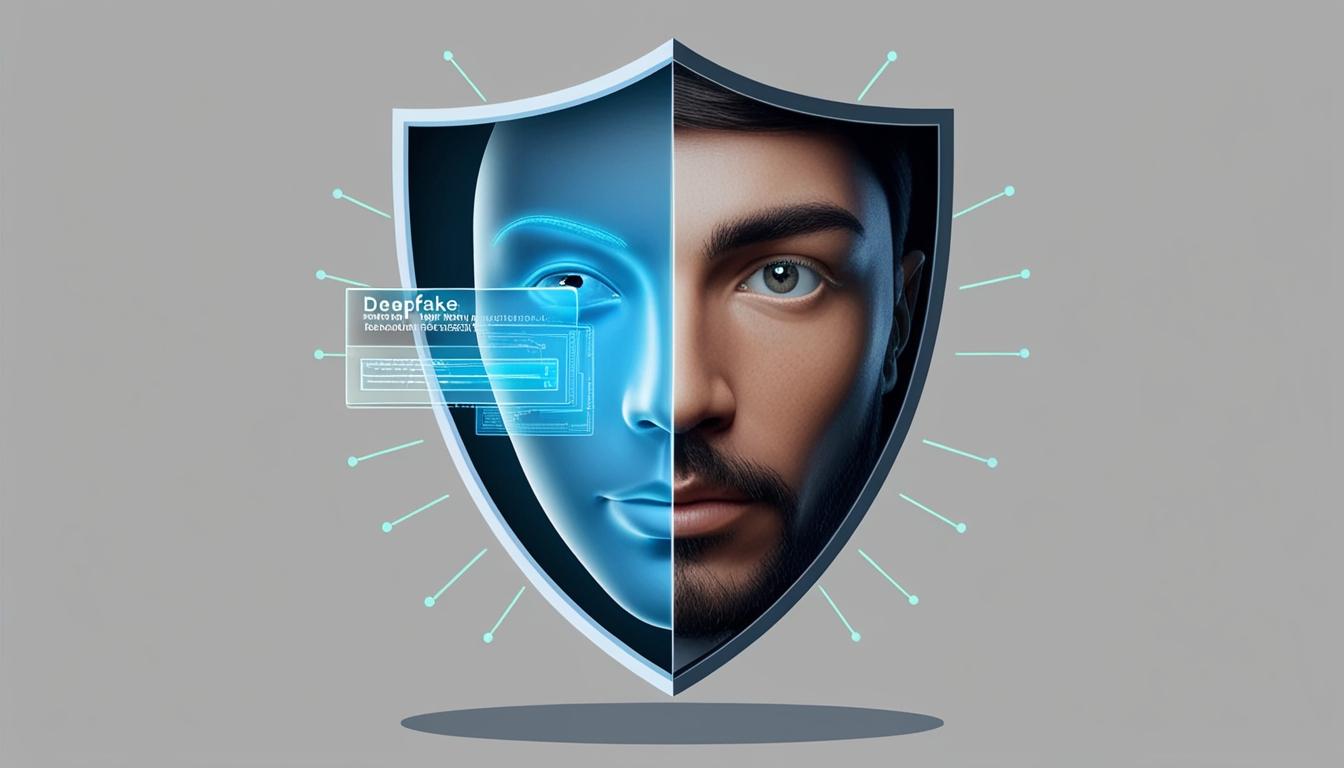
AI impersonation fraud leverages AI-powered tools to create realistic deepfakes—digital fabrications that can convincingly replicate someone’s appearance or voice. Such technologies pose significant risks as they enable perpetrators to carry out sophisticated scams, manipulate individuals or businesses, and even bypass traditional security measures.
Recent cases of AI impersonation fraud have demonstrated the severe repercussions these attacks have on organisations. These incidences underscore the ingenuity of cyber attackers, who utilise every available resource to breach security defences, and AI has notably reduced their operational costs and efforts.
Challenges Faced by the Cybersecurity Industry
The cybersecurity sector has been responsive to these threats, developing tools to detect deepfakes and bolstering end-user education. However, these solutions face inherent limitations:
The Ongoing AI Arms Race: There exists a continuous technological duel between deepfake creators and detection tools, with advancements in one inevitably leading to upgrades in the other. This equilibrium ensures neither side retains a significant advantage for a sustained period.
Probabilistic Detection Methods: Current detection systems operate on probabilities, meaning there is always a margin for error, which fraudsters can exploit.
User Reliance: Expecting users to identify sophisticated AI-generated deceptions places an undue burden on individuals, as these techniques become more convincing and harder to detect.
Innovative Solutions Through Secure Identity Platforms
Confronted by the inadequacies of conventional solutions, the emphasis is now shifting towards leveraging robust identity security as a bulwark against AI impersonation threats. A well-designed identity security platform can offer cryptographic guarantees that authenticate a user's identity and verify their device's compliance with security protocols.
Case in Point: Beyond Identity’s Secure-by-Design Approach
One notable innovation in this space is the introduction of RealityCheck by Beyond Identity, which integrates with existing secure identity platforms. This system offers multiple advantages:
Phishing-resistant Credentials: The use of device-bound passkeys ensures user authentication without relying on easily compromised credentials.
Device Compliance Assurance: By recognising devices that pass stringent security checks, access to company resources is tightly controlled, reducing the risk of identity-based breaches.
Comprehensive Risk Assessment: The platform utilises real-time risk signals from users and devices, alongside data from other security tools, to make real-time, precise access decisions.
RealityCheck and Its Application
RealityCheck specifically targets AI deepfake fraud by providing visual attestations of identity and device compliance in communication tools like Zoom and Microsoft Teams, with future plans for Slack and email integration. Such features not only protect infrastructure but also provide users confidence when engaging with peers, ensuring that the individual on the other side is indeed genuine.
In conclusion, as the complexity and frequency of AI-driven cyber threats continue to rise, adaptive and robust security frameworks become essential. Techniques that integrate strong identity assurance with proactive, real-time security assessments may well represent the future face of cybersecurity, protecting organisations from the evolving landscape of digital threats.
Source: Noah Wire Services