Global Survey Indicates Logistics Workers View AI as Beneficial Rather Than Threatening
In an insightful survey commissioned by SafetyCulture and conducted by pollsters YouGov, a significant number of logistics workers have expressed confidence in their job security despite the rising influence of artificial intelligence (AI) in the industry. The global survey, capturing responses from over 10,000 individuals working in logistics, reveals a general sentiment that AI is more of an asset than a threat to their roles.
The findings show that two-thirds of logistics professionals are not worried about being replaced by machines. Instead, they perceive AI as a tool that can assist them in their work. This perspective is most pronounced among older workers, with only 10% of Baby Boomers expressing concern about job security in relation to AI. In contrast, younger employees, particularly those classified as Generation Z, display more caution; 57% of them are worried about the possible impacts of AI on job retention. This generational variance in confidence levels could be attributed to differing levels of professional experience and exposure to technological advancements.
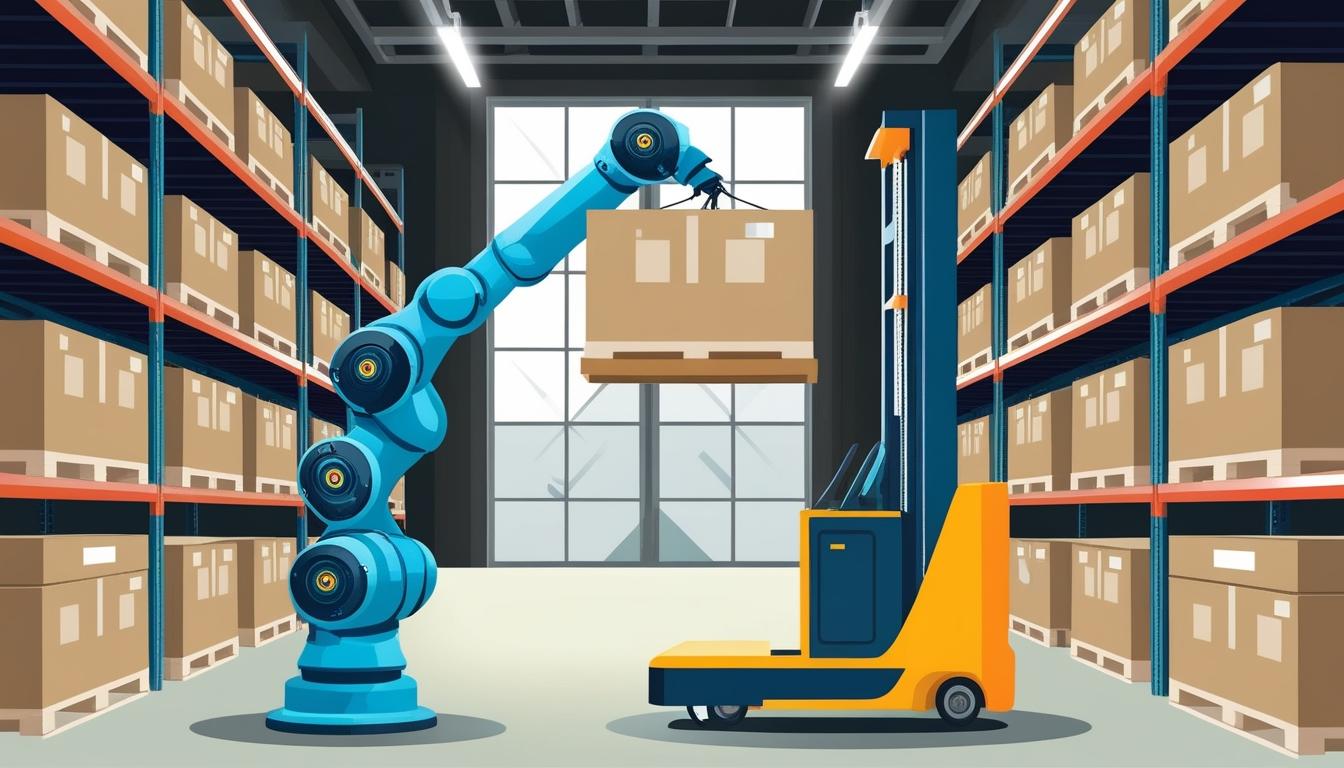
The logistics sector is already witnessing AI's beneficial impacts through various implementations. Amazon's "Robo-Stow", a substantial robotic arm, is being used to handle heavy lifting, thus decrease physical demands on employees and enhance operational efficiency. DHL utilises predictive analytics to better anticipate demand and optimise stock levels, which helps in trimming down inventory expenses while satisfying customer expectations. Similarly, FedEx's AI-driven route optimisation tech dynamically recalibrates delivery paths based on real-time inputs, thereby boosting delivery timelines and fuel efficiency.
Despite these advancements, the survey highlights a notable dissatisfaction concerning outdated technological infrastructures in the logistics domain. These legacy systems, burdened by inefficiencies, are estimated to cost the industry a hefty £1.88 billion a year. Companies like UPS are tackling these inefficiencies by integrating machine learning into their package sorting and route planning processes, resulting in decreased operational costs and more streamlined workflows.
Not only are established logistics giants reaping the benefits of AI, but smaller companies are also exploring the technology to maintain competitiveness in a challenging market. Start-ups are increasingly turning to autonomous warehouse robotics and sophisticated inventory management systems powered by AI. These advancements are helping manage stock levels, monitor demand shifts, and streamline order fulfilment processes, proving invaluable for small firms battling narrow profit margins and heightened competition.
The report from SafetyCulture underscores the strategic importance of modernising workplace technologies. It suggests that the full potential of AI in logistics can only be achieved by upgrading outdated systems. As more companies allocate resources towards AI advancements, there is an accompanying emphasis on developing targeted training programs to ensure workers can utilise new technology effectively. This industry-wide tech transition is likely to generate substantial advantages for workers, implying that as automation advances, so too does the scope for employment opportunities for those trained in harnessing this innovative technology.
Source: Noah Wire Services