A groundbreaking advancement in the field of medical diagnostics has been achieved through the collaborative efforts of researchers from Ludwig Maximilian University of Munich (LMU), Technical University of Berlin (TU Berlin), and Charité Universitätsmedizin Berlin. Their innovative artificial intelligence (AI) tool promises to enhance the detection of rare diseases within the gastrointestinal tract, a development poised to revolutionise current diagnostic practices.
Artificial intelligence has already shown its remarkable potential across various domains of medicine, offering significant aid to doctors in diagnosing diseases through imaging data. However, conventional AI models face limitations. They typically require extensive datasets for training, which are abundant only for common diseases. This limitation is akin to a general practitioner only becoming adept at diagnosing common ailments such as coughs and colds, while rare diseases remain elusive to current technology. Professor Frederick Klauschen, Director of the Institute of Pathology at LMU, highlights this challenge and the need for tools capable of identifying these less common conditions.
Addressing this gap, Klauschen, along with Professor Klaus-Robert Müller from TU Berlin/BIFOLD and their colleagues at Charité -- Universitätsmedizin Berlin, have pioneered a novel AI model. Detailed in the New England Journal of Medicine AI (NEJM AI), this model circumvents the dependency on vast collections of rare disease data by leveraging anomaly detection techniques. It utilises the comprehensive characterisation of normal tissue and data from common diseases to identify deviations indicative of rarer pathologies.
The team substantiated their model's efficiency through an extensive study involving 17 million histological images from 5,423 gastrointestinal biopsy cases. These cases encompassed both normal tissues and common maladies like chronic gastritis, which constituted about 90% of the dataset. The remaining 10% included data on 56 rare disease entities, many of which were cancerous. The innovative AI exhibited a high degree of accuracy in detecting various rare stomach and colon pathologies, including unusual cancers and metastatic growths, distinguishing it from other AI tools currently available.
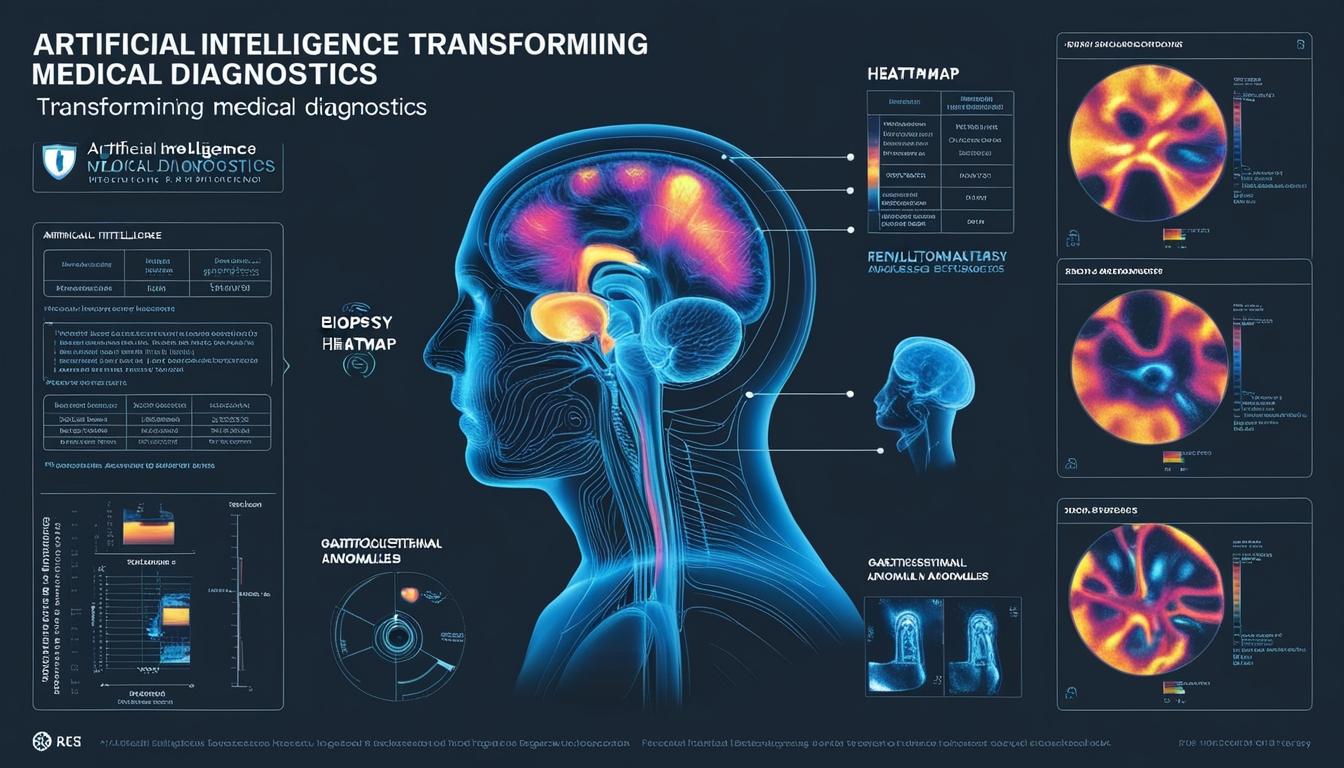
An additional feature of this AI is the use of heatmaps for indicating the location of tissue anomalies, an invaluable tool for pathologists. This not only facilitates quicker assessments but also aids in visualising the areas of concern.
The introduction of this AI model could significantly lighten the diagnostic workload on medical professionals. By autonomously identifying normal and frequently occurring cases, the AI can potentially automate the diagnosis in one-quarter to one-third of instances. In more complex cases, it aids in prioritising cases and minimising diagnostic oversights. While the final confirmation of these diseases still rests upon the expertise of pathologists, as Klauschen notes, the AI's assistance streamlines the initial stages of diagnosis, potentially heralding a new era in medical diagnostics by mitigating current challenges and expanding the horizon of AI's applicability in healthcare.
Source: Noah Wire Services