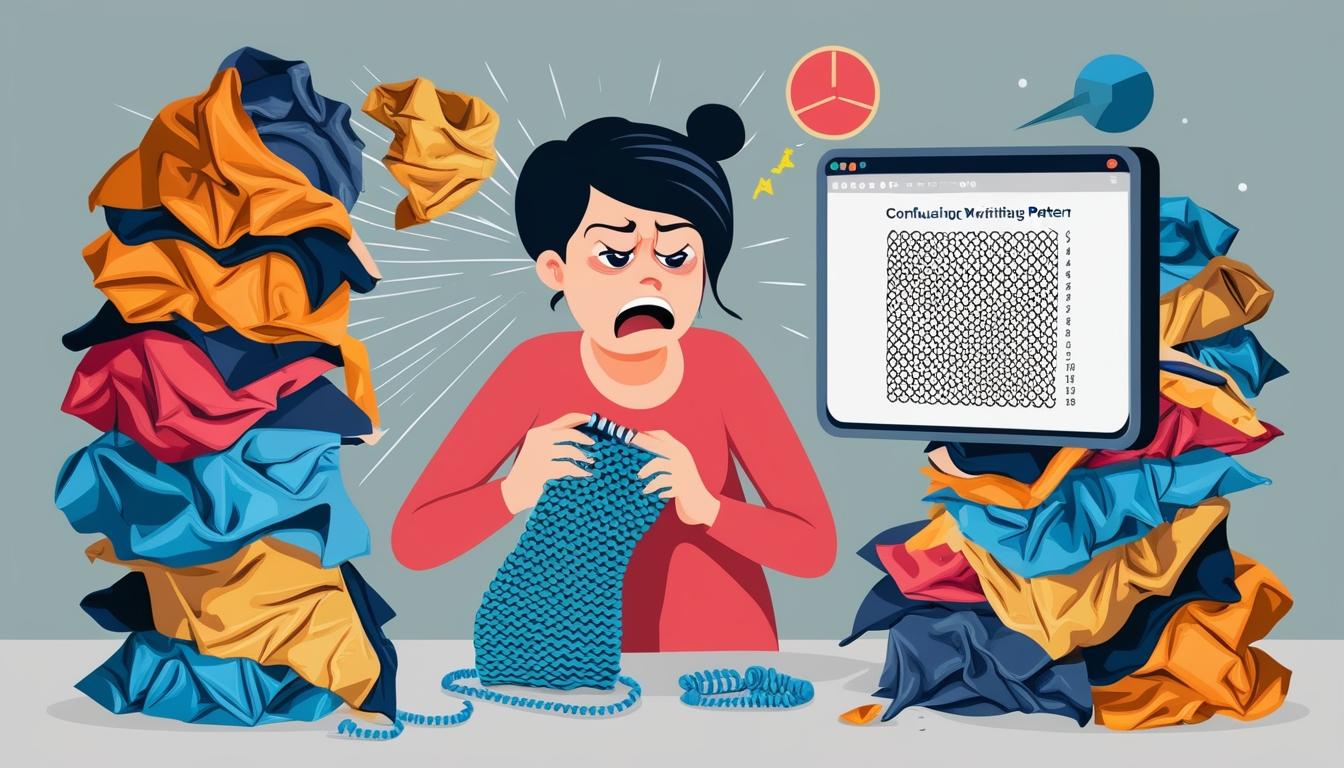
The advent of artificial intelligence (AI) has significantly reshaped various sectors, from business and healthcare to creative arts. However, it has also opened new avenues for unethical practices, particularly in the realm of crafting and making. A concerning trend is emerging where scammers are exploiting AI technology to deceive crafters and makers by creating and selling fake digital patterns, plans, and recipes on platforms like Etsy.
This development is drawing the attention of various communities, notably those involved in yarn crafts such as knitting and crochet. These are activities deeply rooted in detailed written instructions, much like coding. A pattern for knitting or crochet is essentially a set of instructions or "code," similar to what is used in programming or 3D printing. Just as a designer would create a 3D object using G-code, crafters follow knitting or crochet patterns to transform yarn into physical garments or decor items.
One such industry influencer, crochet designer Elise Rose, has been vocal about the impact of AI-generated patterns on her field. Through her online presence and YouTube channel, Rose has highlighted how these AI-generated patterns can be flawed, leading to significant frustration and financial loss for those who purchase them. The problem arises when these patterns do not translate into functional designs, similar to how faulty code can lead to software errors.
The market for yarn crafts is substantial. A 2016 study by the Association for Creative Industries found that 63% of US households engaged in a craft or hobby, collectively spending upwards of $44 billion. Within this market, 25% of households were involved in knitting and crocheting, contributing roughly $2.79 billion to the economy. With such a lucrative market, it's no wonder it's become a target for unethical AI applications.
Rose's observations are particularly pertinent for those purchasing patterns online, whether from Etsy or specialty sites like Ravelry, which is a social network and marketplace for yarn crafters. While many patterns available online are legitimate, the ease with which AI can produce these instructions means that flawed patterns slip into the mix, leading to wasted time, effort, and materials for unsuspecting crafters.
The issues faced by crafters extend beyond just monetary loss. The time invested in creating a project based on a faulty pattern can range from a few hours for a small item to several months for larger projects like afghans. When these projects fail due to incorrect instructions, it can be not only disappointing but discouraging, particularly for beginners who might believe the fault lies in their skillset rather than the pattern itself.
Elise Rose has compiled a series of tips to help crafters identify potential AI-generated patterns. These include looking for overly fantastical detail in the designs, impossible stitches, extreme sizes, errors in imagery such as unnatural proportions, and the absence of progress photos or videos. Additionally, legitimate patterns will often have a designer's name attached and some form of online presence beyond a simple listing.
The infiltration of AI into the crafting world exemplifies broader concerns about the technology's role in daily life. As AI continues to evolve and penetrate various industries, its misuse presents new challenges. For crafters, the focus remains on vigilance and education about spotting potentially fraudulent patterns to protect their time and resources. Meanwhile, the crafting community continues to adapt, seeking ways to mitigate these issues while harnessing AI's potential for positive, creative uses.
Source: Noah Wire Services