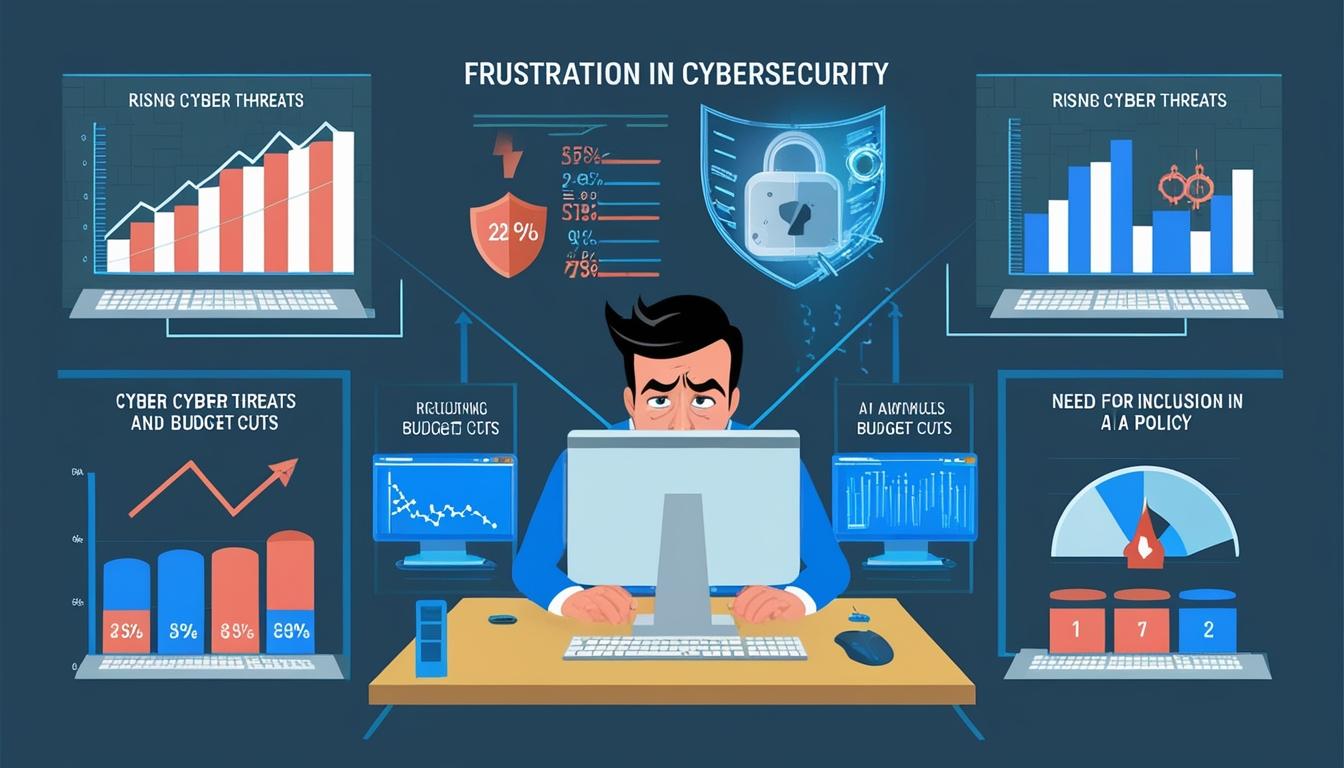
Survey Highlights Challenges in Cybersecurity Sector Amid AI Advancements
A recent study by ISACA has revealed significant gaps in the integration of cybersecurity professionals within the development and policy-making processes of AI technologies in enterprises. The "2024 State of Cybersecurity" survey, which gathered insights from over 1,800 cybersecurity experts, indicates that only a fraction of cybersecurity teams are actively involved in AI policy creation.
The survey found that merely 35% of cybersecurity professionals are included in the establishment of policies governing AI usage in their organisations. Even more notable is that almost half, 45%, have no role in the creation, onboarding, or implementation stages of AI solutions. This exclusion may have implications for the overall security infrastructure of these enterprises as AI becomes increasingly prevalent.
Among the primary uses of AI by cybersecurity teams are automating threat detection and response (28%), enhancing endpoint security (27%), performing routine security tasks (24%), and detecting fraud (13%). Jon Brandt, ISACA's director of professional practices and innovation, suggests that while AI holds promise for reducing workloads through automation, it is crucial for security teams to be involved in all phases of AI system integration to ensure robust security practices.
The survey also highlighted the growing stress levels among cybersecurity leaders, with two-thirds reporting increased stress due to being sidelined in AI implementation. The complex and swiftly evolving threat landscape is a significant factor, as noted by 81% of respondents. Staffing challenges compound the pressure, with 57% of teams reporting that they are understaffed.
An alarming trend uncovered by the survey is an upsurge in cyber-attacks, reported by nearly 38% of cybersecurity teams. This rise in incidents occurs alongside declining cybersecurity budgets, as forecasted budget increases are offset by a growing number of professionals—now at 13%—predicting funding reductions. This is part of an observed decline in budget allocations over recent years, creating concerns about the sustainability of current cybersecurity efforts.
The combination of budget constraints, increased attack frequency, and insufficient staffing paints a challenging picture for the cybersecurity sector as it grapples with the integration of advanced technologies like AI. As organisations continue to adopt these technologies, the study underscores the critical need for inclusive policy-making processes that consider cybersecurity perspectives to safeguard against evolving threats.
Source: Noah Wire Services