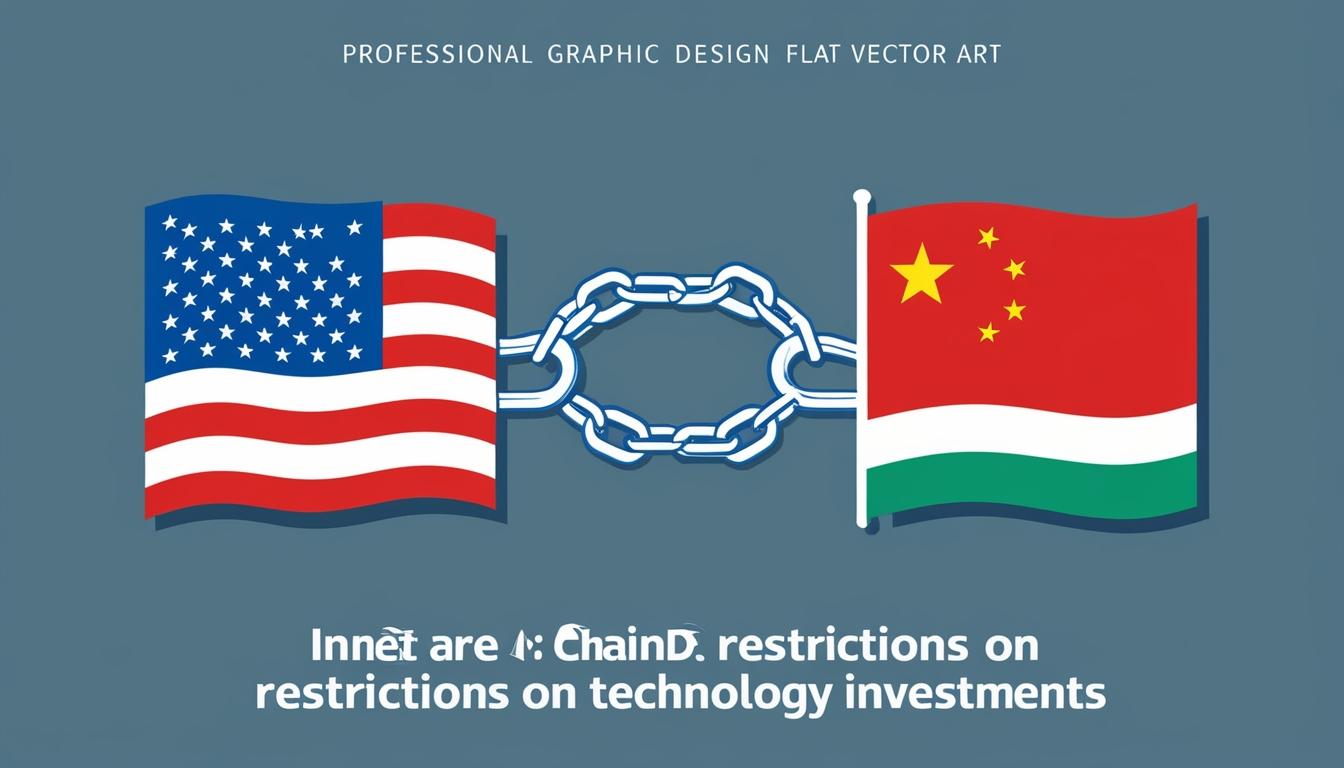
Biden Administration Finalises Curb on US Investments in Chinese Tech Sectors
In a significant move aimed at tightening control over the transfer of technology with military and security applications, the Biden administration is finalising a set of rules designed to restrict investments in specific high-tech sectors in China. This development, reported by Reuters, is part of a broader strategy to mitigate potential risks posed by the transfer of critical technologies to countries labelled as "countries of concern" by the US government.
Details of the New Rules
The initiative traces its roots back to an executive order signed by President Joe Biden in August 2023. The rules, initially proposed by the US Treasury in June, target investments in advanced artificial intelligence systems, quantum information systems, and semiconductors and microelectronics. These technologies are deemed vital for the development of complex military and surveillance equipment, such as code-breaking computer systems and next-generation fighter jets.
Implementation and Oversight
The new regulatory framework is set to take effect on January 2. From this date, US investors will be prohibited from providing not only capital but also intangible benefits, such as managerial advice or access to crucial networks, that could assist China in bolstering its military, intelligence, and cybersecurity capabilities.
The enforcement of these rules will be managed by the Office of Global Transactions, a new entity under the US Treasury established specifically to oversee these measures. While the ban encompasses a wide array of financial and non-financial contributions, a notable exception exists: US investments in publicly traded securities will still be permitted. However, previous executive orders have restricted transactions involving securities of certain designated Chinese companies.
Broader Context
This move reflects the Biden administration's focus on safeguarding national security by regulating the flow of sensitive technologies to strategic competitors. The decision aligns with ongoing international efforts to address similar concerns about technology transfer and its implications for global security dynamics.
The new regulations signify a continued tightening of the US approach towards economic engagements with China, particularly in sectors that could impact security landscapes. By delineating clear boundaries for investments and collaborations, the rules aim to border technology usage that could be perceived as a threat to national and international security. As these measures unfold, the implications for US-China economic relationships and the global tech industry remain closely watched.
Source: Noah Wire Services