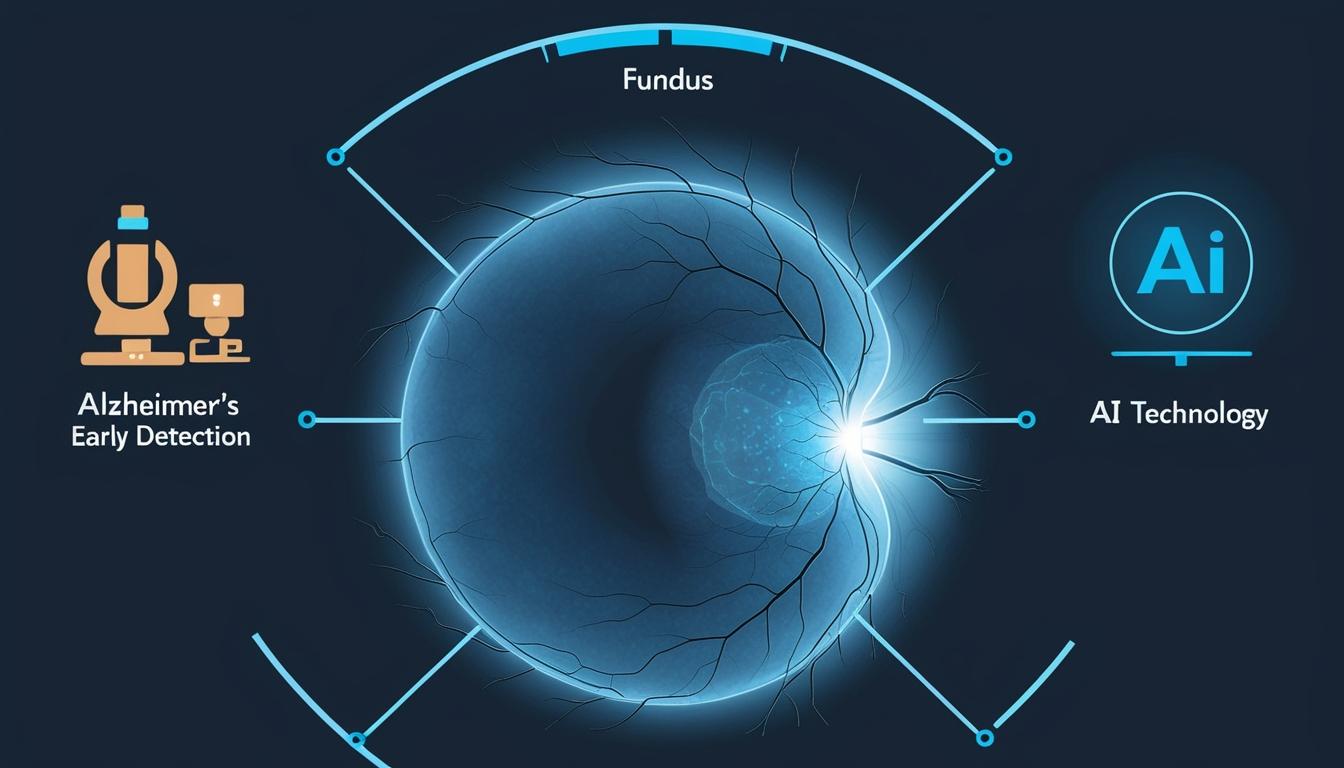
AI and Fundus Imaging Pave New Paths in Early Alzheimer's Detection
Recent advancements in medical technology have brought new hope in the fight against Alzheimer’s disease, particularly with the application of artificial intelligence (AI) and fundus imaging. In an illuminating discussion with Healio, Dr. Alokkumar Jha, an accomplished researcher holding a PhD, MSc, and BE, delved into the promising results of this innovative approach in neurology research and potential therapeutic interventions.
The technique involves the use of fundus imaging, a procedure that captures detailed images of the inner back wall of the eye. This method is integrated with AI algorithms to help predict the development of Alzheimer's disease. According to Dr. Jha, the combined use of AI with fundus images has reached a prediction accuracy rate of approximately 85%. He emphasised that this significant milestone was achieved partly due to the novel application of fundus images in this context.
Fundus imaging traditionally focuses on detecting eye conditions, yet its application in predicting neurological disorders such as Alzheimer's could signify a breakthrough in early detection techniques. The back inner wall of the eye, or the retina, can provide crucial insights into brain health, as changes in the retina have been found to correlate with neurodegenerative changes in the brain. By analysing these images with advanced AI, researchers can potentially identify markers indicative of Alzheimer's disease progression much earlier than traditional methods might allow.
This innovation in medical diagnostics not only highlights the evolving role of AI in healthcare but also suggests a future where neurology can be tackled with precision tools grounded in interdisciplinary collaboration involving ophthalmology and computer sciences. The development underlines the growing trend of utilising AI technology to tackle complex medical issues by leveraging existing diagnostic tools in new, transformative ways.
As research continues, the integration of AI and fundus imaging may revolutionise how Alzheimer's is detected, providing a powerful tool for researchers and clinicians in understanding and managing the disease more effectively. Such advancements could potentially lead to earlier interventions, better patient outcomes, and novel therapies tailored specifically to slow or halt the progression of Alzheimer's disease.
Source: Noah Wire Services