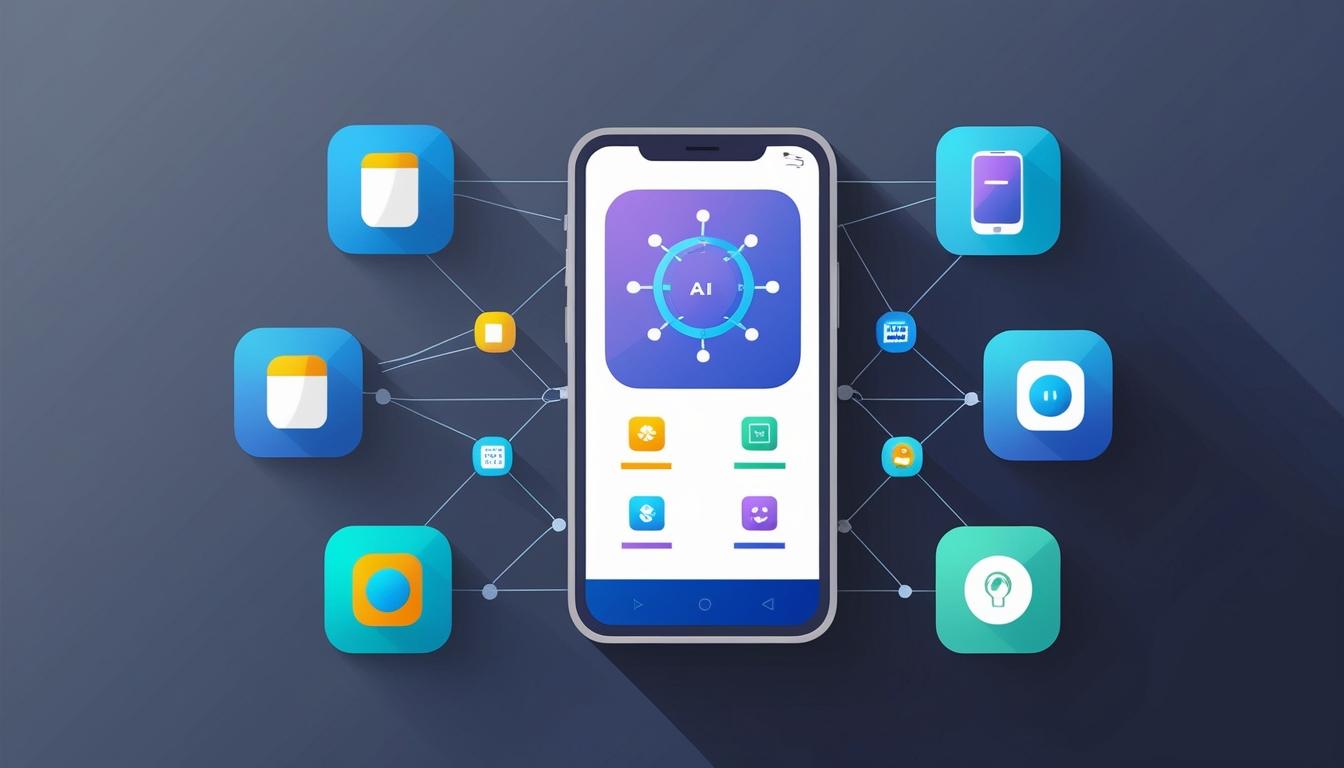
The integration of artificial intelligence (AI) in everyday technology is reshaping how individuals interact with their devices, making them smarter, more intuitive, and responsive to user needs. This transformative shift is evident across various popular applications and platforms, each harnessing AI to refine user experiences and functionalities.
AI in Popular Applications
Applications such as eBay, Klarna, and Spotify are effectively utilising AI to enhance their offerings. eBay's AI tool assists sellers by generating item descriptions based on similar listings, encouraging detailed information to be more readily available to buyers. Klarna enhances the shopping experience with an AI-powered assistant providing personalised recommendations, thereby assisting shoppers in making more informed choices. Spotify, on the other hand, allows for the creation of AI-generated playlists, simplifying the often time-consuming process of playlist customisation.
In the travel sector, applications like AskLAYLA are leveraging AI to create custom holiday itineraries tailored to individual preferences. These innovations highlight how AI is being used to alleviate tasks traditionally seen as cumbersome, allowing users to focus on more enjoyable experiences.
AI-Driven Mobile Applications
Beyond enhancing existing applications, AI-driven applications—designed with AI at their core from the outset—are emerging. Examples include AI assistants like ChatGPT, CoPilot, and Claude. These applications are revolutionising user interactions by leveraging mobile capabilities such as location awareness and camera integration, delivering context-sensitive assistance. Each application excels in different areas: ChatGPT in conversational applications, CoPilot in productivity collaboration, and Claude in analytical and creative tasks.
Google’s Pixel Screenshot exemplifies how AI can enhance device utility by making screenshots more organised, searchable, and actionable through on-device AI, thereby demonstrating the potential for AI to streamline and revolutionise daily mobile operations.
AI-Enhanced Mobile Operating Systems
Mobile operating systems are increasingly embedding AI-driven features to enhance user experience and device functionality. Apple's forthcoming "Apple Intelligence" will employ AI to predict user behaviour, suggesting actions like creating calendar events from emails or organising photos based on locations and dates. Meanwhile, Galaxy AI offers capabilities such as real-time translations for texts and calls, as well as allowing users to generate custom ringtones.
Google's Gemini Nano utilises on-device AI processing, which optimises performance and battery life while ensuring increased security, as features like smart replies and live translations function without data having to be sent to external servers.
Design and Ethical Considerations
The integration of AI into applications and systems requires careful design considerations to ensure a user-centric experience. Features should be intuitive, allowing seamless interaction through both text and voice inputs, and it is crucial that AI demonstrates transparency in its decision-making process with visual cues or explanations to foster trust. Users should be able to control their experiences, including the option to opt-in or opt-out of AI features, and should be catered for with robust error-handling mechanisms.
Inclusivity must be central to design philosophies, accommodating users from varied backgrounds and abilities. Initial user interactions should offer general recommendations or include onboarding processes to better understand user preferences.
This emphasis on design and ethical considerations ensures that AI solutions genuinely benefit users by augmenting rather than replacing human capacities, providing measurable improvement to user experiences without compromising privacy or trust.
The Evolution of AI in Technology
The future of mobile technology is set to be increasingly AI-driven, promoting enhanced user experiences across various domains by simplifying mundane tasks and offering intelligent recommendations. As this technology continues to evolve, it remains crucial for developers and designers to prioritise ethical considerations, ensuring that AI applications not only enhance user engagement but also respect privacy, trust, and accessibility. This thoughtful approach to AI will help maintain the delicate balance between cutting-edge innovation and user-centric design.
Source: Noah Wire Services