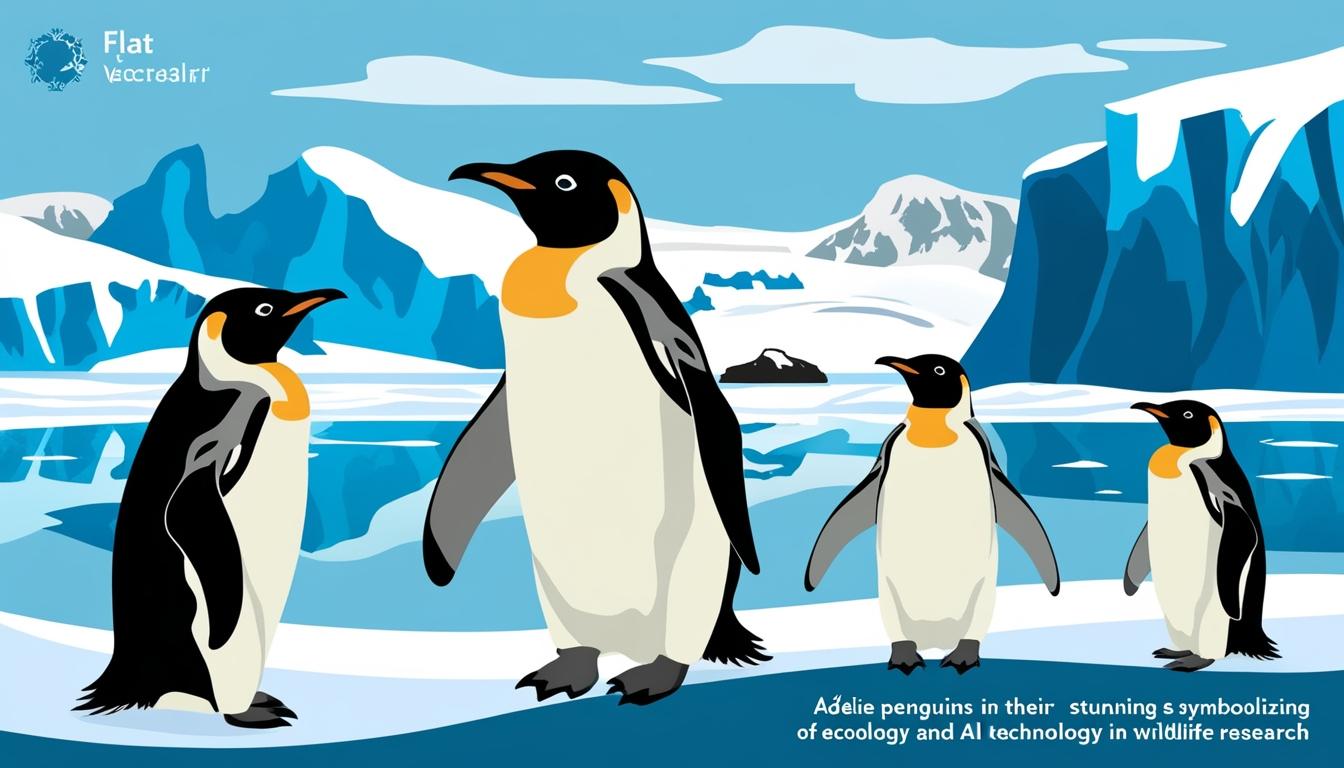
Adélie Penguins in Focus: AI Technology Utilised to Track Remote Species
Researchers from Stony Brook University, in collaboration with the U.S. Geological Survey, have embarked on an innovative project that harnesses artificial intelligence (AI) to study one of Antarctica's most elusive inhabitants, the Adélie penguins. The research, published in the journal PLOS ONE, demonstrates a novel approach to gathering data on these remote creatures by leveraging images taken by ecotourists.
Adélie penguins are often referred to as a sentinel species due to their sensitivity to environmental changes induced by global warming. Despite their ecological significance, their remote habitat has historically made in-depth study challenging. However, two modern phenomena – the widespread availability of smartphones with high-quality cameras and the burgeoning popularity of ecotourism – have provided an unexpected boon to studying these creatures.
Ecotourists, who venture into the penguins’ remote Antarctic habitat, naturally capture a plethora of images. This abundance of amateur photography offered the Stony Brook team a unique dataset—one they intended to use to assess and monitor penguin colonies over time. Central to this initiative is the Segment Anything Model (SAM), an AI application designed to analyse immense collections of images.
The research team developed a method to align and register both ground-based and satellite imagery using a digital elevation model. This approach enabled precise contextual mapping of the photographed penguins within their natural habitat. SAM proved instrumental in processing the imagery, allowing for detailed tracking of colony movements and sizes.
The findings afforded by this AI-aided method uncovered notable patterns in penguin behaviour in response to varying weather conditions. These insights offer a window into how climate change is impacting Antarctic environments and affecting Adélie penguin populations. Additionally, the research garners potential implications for assessing the penguins’ health and the geographic adaptability of their colonies under current climate trends.
The project not only provides a new perspective on how historical data can be derived from tourism activities but also showcases innovative methods of using technology to address ecological questions that were previously beyond reach. This research exemplifies the emerging intersection of ecology, technology, and citizen involvement, permitting scientists to extend their observational capabilities to some of the most inaccessible regions on the planet.
Source: Noah Wire Services