Concerns Over Use of AI Technologies Raise Privacy Issues in Higher Education
In recent years, the proliferation of artificial intelligence (AI) across various industries has reshaped how technologies are integrated into daily operations, with significant implications for privacy and data security. This shift is notably evident within the realm of higher education, where digital tools such as Zoom and AI-enabled devices are indispensable in academic settings, yet pose serious concerns over privacy and data surveillance.
Zoom's recent focus on AI, highlighted during the Zoomtopia conference, mirrors a broader industry trend as companies race to embrace AI technology. This push raises valid apprehensions about data collection capabilities and the potential risks associated with storing sensitive information from academic interactions. For instance, Zoom's AI companion can record dialogue verbatim during meetings but may misunderstand context, leading to possible misinterpretations and misrepresentations in data summaries. An anecdotal incident involved an AI-generated meeting summary falsely noting a lunch appointment, showcasing how such errors could potentially enter AI databases if not carefully managed.
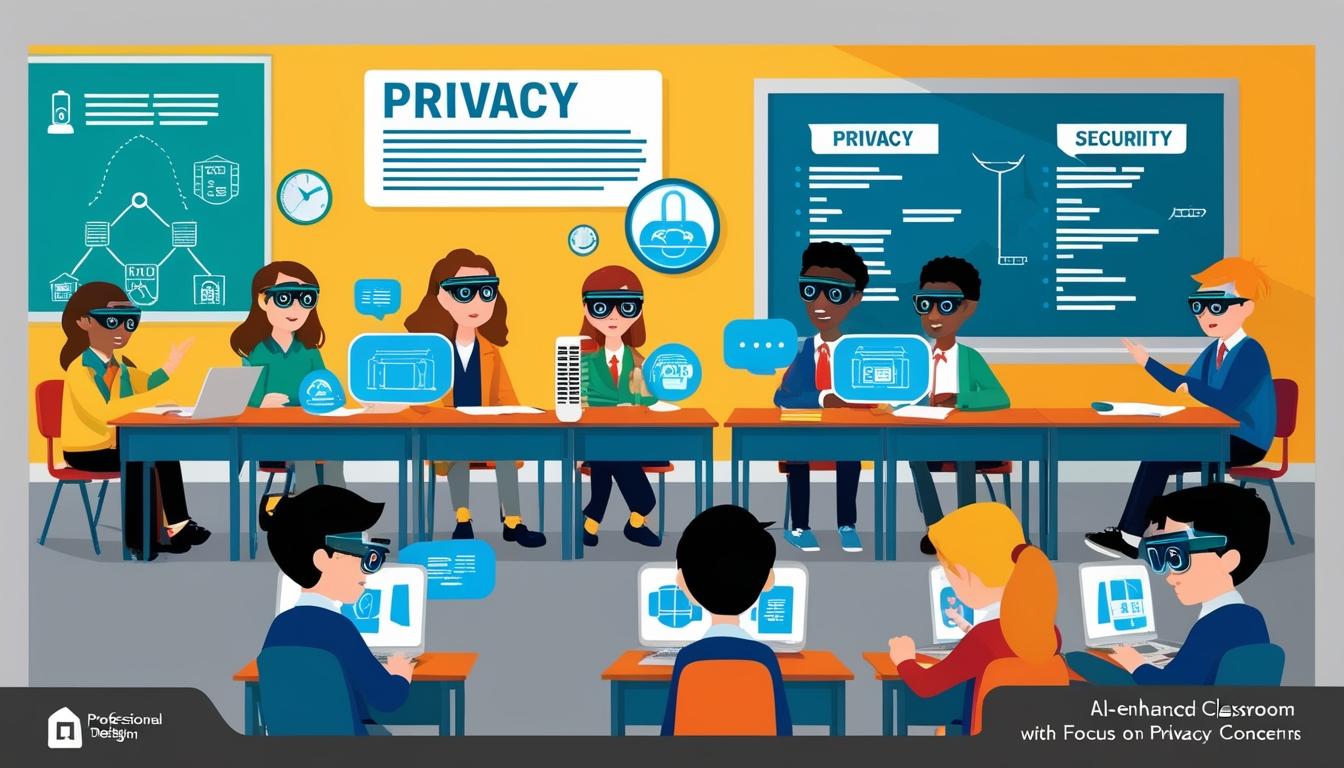
Compounding these concerns is the role of AI-enhanced devices, such as Meta's Ray-Ban glasses, which incorporate real-time data analysis features through embedded cameras and microphones. These devices can perform tasks like translating spoken words and capturing video, but they introduce significant privacy challenges, particularly in educational environments. The potential for AI glasses to record individuals without their consent puts at risk the expectation of privacy in classrooms and the integrity of the academic space as a safe environment for open dialogue and critical thinking.
Moreover, these sophisticated AI algorithms, including facial recognition capabilities, threaten to breach privacy further by tracking, identifying emotions, and inferring moods based on visual cues. In a classroom setting, this technology could enable students or instructors to be recorded and analyzed covertly, raising ethical considerations about how such data might be used or misused. While some argue these tools could offer unbiased insights into student engagement and understanding, the potential for misuse and privacy infringement cannot be ignored.
The integration of AI into educational settings prompts a critical examination of data usage policies within universities, addressing how information is collected, stored, and potentially exploited. The pressing nature of these issues is underscored as digital platforms like Zoom become increasingly woven into educational fabric, providing not only convenience but also a suite of new challenges related to privacy.
Educational institutions, technology leaders, and policymakers must grapple with these emerging issues, striving to strike a balance between embracing technological advances and safeguarding privacy. Clear policies and guidelines concerning data handling are needed to protect the privacy interests of students and faculty while leveraging the benefits that these advanced technologies can bring to the learning environment. This ongoing dialogue is crucial in navigating the complexities of AI integration in academia.
Source: Noah Wire Services