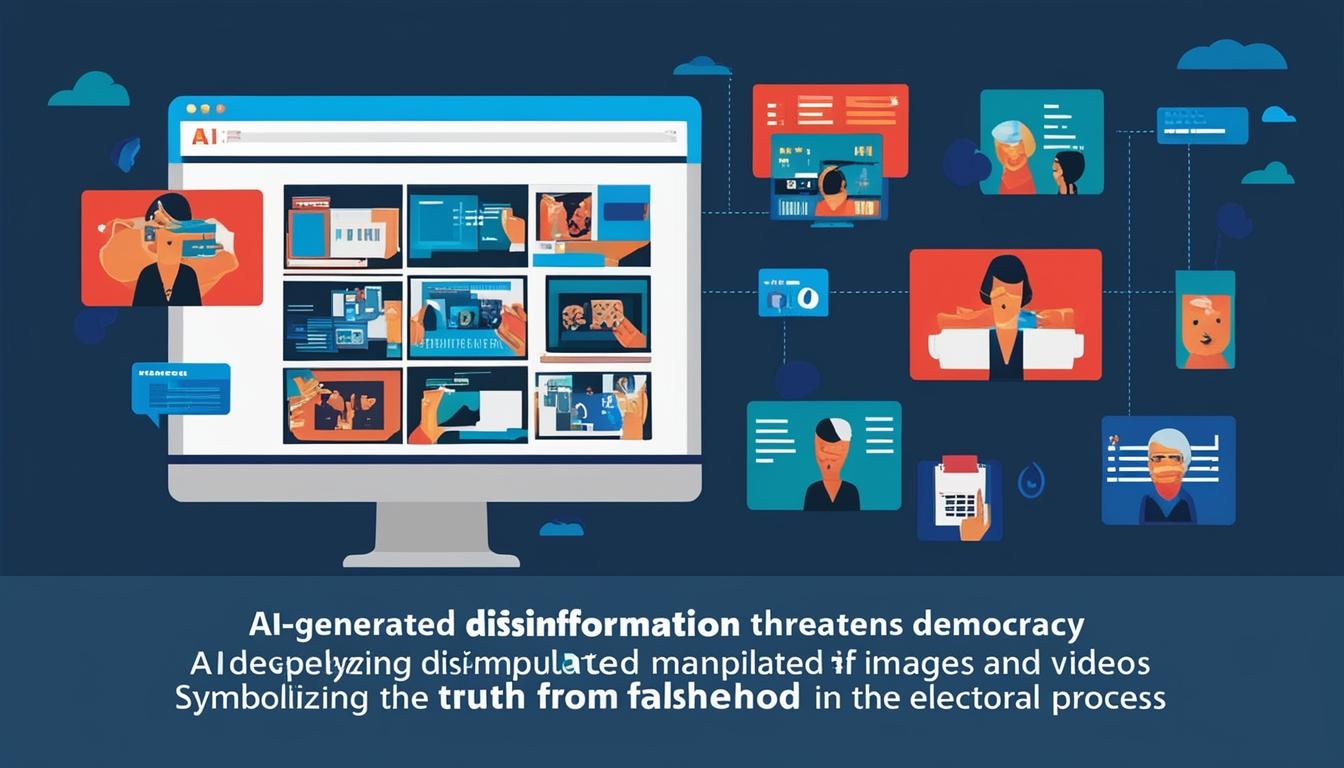
As the United States approaches the 2024 presidential election, growing concerns are emerging about the use of artificial intelligence (AI) to disseminate political disinformation aimed at misleading voters and potentially influencing the electoral outcome. Experts warn that AI is becoming a tool in the arsenal of those seeking to undermine the democratic process by spreading false information that could deter voters.
The FBI has underscored the threat posed by AI-generated disinformation, emphasising the various forms it can take. Some of these include fabricated images, videos, phone calls, and text messages, all crafted with the sophistication that makes them difficult to discern from authentic content. These materials can create misleading perceptions, such as exaggerated reports of long voting lines, which might discourage potential voters from heading to the polls due to perceived inconvenience or difficulty.
Ognjen Raghunathan, an associate professor at Northeastern University's Cybersecurity and Privacy Institute, explained the significant capabilities of AI in generating convincing fake materials. According to Raghunathan, the rapid advancement of AI technology has made it increasingly effective at producing content that can easily be mistaken for the truth, complicating efforts to identify what is real versus what is fake. This technology is used to erode public trust by muddying the waters of the electoral process, ultimately creating confusion among voters.
The challenge of distinguishing between genuine information and fabricated content is exacerbated by the viral nature of social media, where such misinformation can quickly spread to a vast audience. This rapid dissemination makes it even more difficult for individuals to verify the authenticity of the information they encounter.
In response to these growing concerns, authorities and experts are urging voters to critically assess the sources of information they consume, especially as election day draws near. The FBI advises the public to remain vigilant and evaluate the reliability of information before accepting it as fact. Efforts are being made to educate the public on recognising AI-generated disinformation, with resources available to help individuals discern manipulated content from genuine materials.
As technology continues to evolve, the impact of AI on the electoral process is expected to remain a topic of significant concern, prompting ongoing discussions about how best to protect the integrity of democratic elections in the digital age.
Source: Noah Wire Services