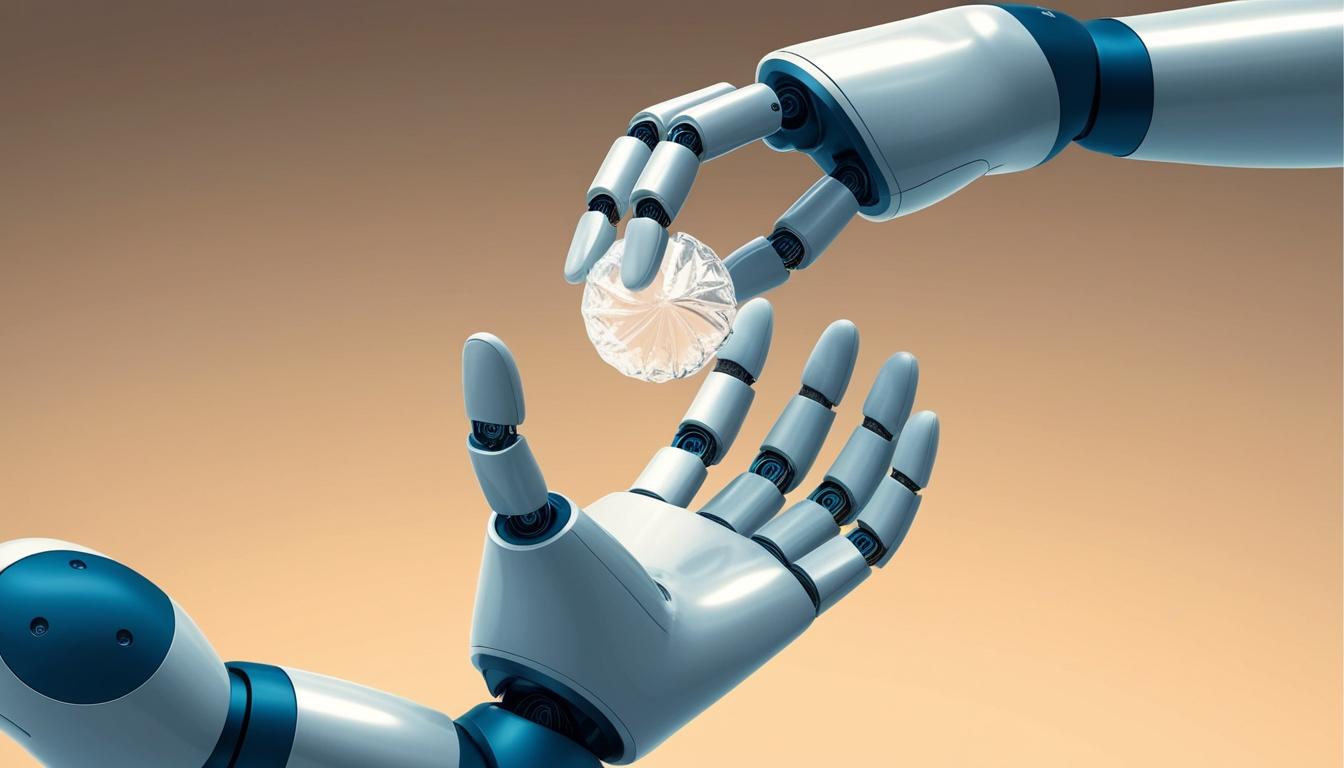
Meta's AI research division, the Fundamental AI Research (FAIR), has unveiled a set of tools designed to enable robots to replicate the human sense of touch. This initiative marks a significant step forward in robotics, potentially allowing machines to handle tasks that require delicate touch and precision, thereby expanding their applicability in various fields.
The announcement from Meta suggests that the integration of touch-sensitive technology could transform even simple robotic arms into sophisticated tools capable of handling fragile items without causing damage. This development hinges on several pioneering technologies.
At the heart of this advancement is Sparsh, a touch-sensing technology that enables AI systems to recognise surface characteristics such as pressure, texture, and movement. This capability does not depend on vast databases, meaning it operates somewhat like a human touch, deciphering tactile information in real-time.
Working in conjunction with Sparsh is the Digit 360, a robotic fingertip developed through a collaboration with GelSight. This sensor-rich tool allows the AI to discern detailed information about objects, ensuring that the robot applies suitable pressure for tasks like lifting or rotating, much like a human would when picking up or manipulating items.
Complementing these innovations is the system called Plexus, developed with Wonik Robotics. Plexus equips the entire robotic hand or similar devices with multiple touch sensors, emulating the complexity of human touch. This system is designed to enable robots to handle awkward or fragile objects effectively, potentially revolutionizing how robots interact with their surroundings.
In a blog post, Meta highlighted the complexity of the human hand, emphasising its capability to communicate tactile information to the brain across a wide skin range, from fingertips to palm. This natural process allows humans to make quick and often subconscious decisions about handling objects. By striving to replicate this coordination of tactile sensing and motor actuation in robots, Meta is pushing towards what it describes as "embodied AI."
The practical applications for this technological leap are vast. In healthcare, robotic surgical assistants could gain the sensitivity to detect minute bodily changes and react with precision and care, potentially surpassing human capability in both speed and accuracy. The manufacturing sector could also benefit, as robots might handle even the most delicate components without damage, optimizing production processes.
Moreover, the implications for virtual and augmented reality experiences are intriguing; a robot's understanding of physical textures and pressure could be translated into more immersive virtual environments.
This initiative is part of a broader trend of using AI to replicate other human senses. Researchers at Penn State have created AI models that can mimic taste using an electronic tongue, while the company Osmo has developed AI capable of distinguishing and recreating complex scents. These innovations suggest a future where AI-enhanced machines can understand and interact with the world more like humans do, broadening their potential utility.
Source: Noah Wire Services