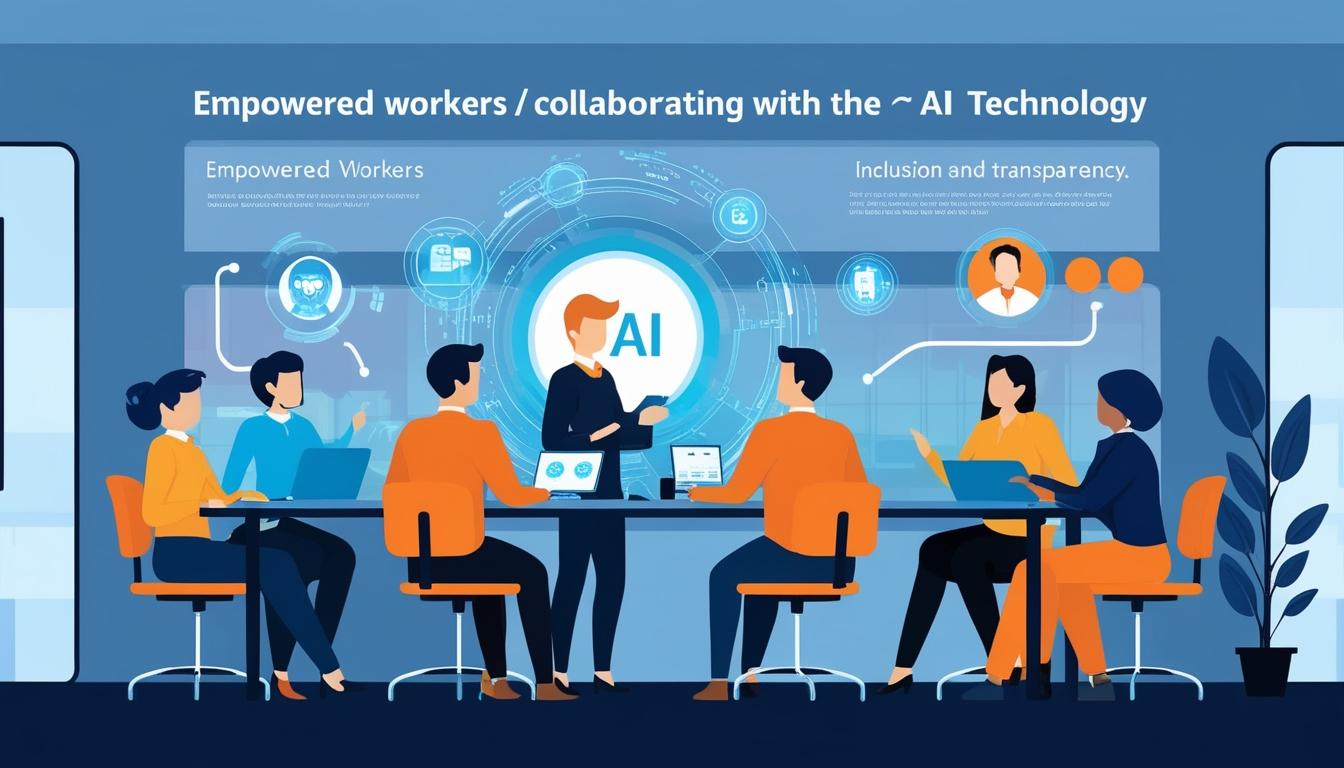
The United States Department of Labor (DOL) has recently released a guidance document titled "Artificial Intelligence and Worker Well-Being: Principles and Best Practices for Developers and Employers," aimed at informing the use of artificial intelligence (AI) in employment decisions. While this guidance does not hold legal force, it sets forth eight guiding principles designed to ensure the responsible use of AI within workplaces.
At the forefront of these principles is "Centering worker empowerment," described by the DOL as the "North Star." This principle emphasises the inclusion of workers' perspectives, especially those from underserved communities, throughout the AI system lifecycle, which encompasses design, development, testing, training, procurement, deployment, use, and oversight. Recognised groups include people of colour, Indigenous individuals, LGBTQI+ individuals, women, immigrants, veterans, individuals with disabilities, those in rural areas or without a college degree, individuals with or in recovery from a substance use disorder, justice-involved individuals, and opportunity youth. The DOL also suggests that, where workers are union-represented, employers should engage in good faith negotiations concerning the use of AI and electronic monitoring in workplaces.
The DOL outlines the need for "Ethically developing AI," with an emphasis on enhancing civil rights, equity, and safety while ensuring systems are tested for accuracy, validity, and reliability. Coordinated with this, "Establishing AI governance and human oversight" is advocated, urging the formation of governance frameworks for AI deployment and ensuring human involvement in employment decisions. Regular and independent audits of AI systems are recommended to ensure ongoing compliance and integrity.
Transparency is also a significant focus of the guidance with "Ensuring transparency in AI use." Employers are advised to inform workers of AI use ahead of time and establish processes for workers to access and correct identifiable data used in AI-driven employment decisions.
"Protecting employee rights" emerges as a crucial aspect, highlighting the need for employers to address potential disparate impacts of AI on various protected characteristics, such as race, sex, or disability, by auditing AI systems and publicising the results where appropriate.
The guidance also underscores "Enabling workers and improving job equality." Employers are asked to assess AI's impact on job tasks, required skills, job opportunities, and associated risks, seeking workers' input in the process. When deploying electronic monitoring, it suggests using the least intrusive means necessary for legitimate business intents.
For those affected by AI, "Supporting workers impacted by AI" suggests employers should offer pertinent training to help them adapt to AI systems that might complement their roles. In scenarios where displacement occurs due to AI, firms are encouraged to consider retraining and reallocating workers to different roles within the organisation, where possible.
Lastly, "Ensuring responsible use of worker data" advises developers to design AI systems with robust data protection mechanisms, avoiding unnecessary collection and retention of worker data unless it serves a legitimate business purpose.
These principles resonate with recent AI regulations in jurisdictions such as New York City, Colorado, and Illinois, reflecting broader governmental efforts to address the potential risks AI poses in employment contexts. The release of this guidance marks a cautious step by the Department of Labor in navigating the implications of AI technology in the workforce.
Source: Noah Wire Services