Business Leaders and Healthcare Industry Embrace AI and Budget Increases Amid Rising Expectations
In a rapidly evolving business landscape, artificial intelligence (AI) has become a crucial asset for CEOs and executives across various industries. Facing financial pressures and heightened consumer expectations, businesses are increasingly turning to AI, particularly generative AI (GenAI), as a means to boost efficiency, reduce costs, and secure competitive advantage. According to recent data, a significant 60% of CEOs anticipate that GenAI will enhance product or service quality within the next year, while a striking 87% of C-suite leaders feel the urgency to implement GenAI solutions swiftly and extensively.
GenAI, celebrated for its capability to produce text, images, and other media from simple inputs, is predicted to revolutionize domains such as content creation and customer service. Yet, despite the enthusiasm surrounding GenAI, the broader adoption of AI within enterprises remains cautious, with many initial projects falling short of expectations. Analysts suggest that traditional AI methodologies like machine learning (ML) may offer better returns on investment due to their transparency and the potential for delivering measurable benefits.
In this new climate, the integration of AI into business processes is deemed vital. Enterprise software applications, known for their scalability and integration prowess, provide a promising avenue for incorporating AI capabilities into organizational workflows. By 2027, it is expected that 70% of GenAI spending will involve these enterprise tools, positioning businesses to harness AI’s full potential across operations, from customer service to strategic decision-making.
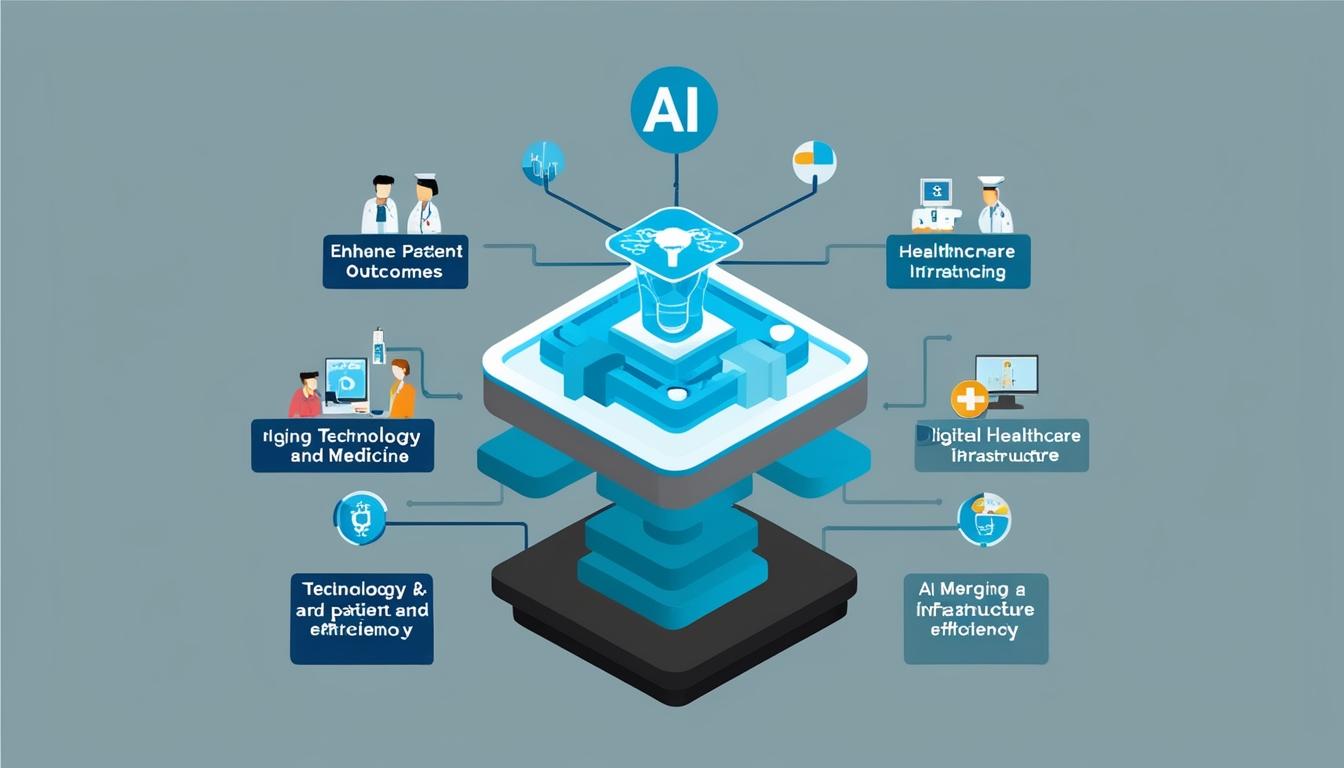
Meanwhile, the UK government’s recent commitment to the NHS budget signals a robust response to longstanding challenges within the healthcare sector. The Autumn Budget outlines an additional £22.6 billion for NHS funding over the next two years, alongside a £3.4 billion boost for capital expenditure next year. Key aspects of this funding include investments in digital infrastructure, aiming to enhance productivity and patient outcomes.
Industry leaders have reacted positively. Jeremy Nettle, chairman of the Highland Marketing advisory board, highlighted the necessity for strategic allocation of this newfound budget to effectively address NHS challenges. Simultaneously, Jonathan Hinchliffe of St. Vincent's Consulting lauded the focus on NHS technology and digital infrastructure, emphasising the importance of electronic patient records and strengthened cybersecurity measures.
However, questions persist regarding the specifics of these financial distributions, particularly concerning digital upgrades and infrastructure investments necessary for leveraging modern AI applications. As healthcare demands increase, integrating AI-powered solutions into the NHS is seen as instrumental in achieving desired productivity enhancements and patient care improvements.
Furthermore, leaders from various healthcare sectors urge a balanced deployment of funds, emphasizing the importance of investing in both large hospitals and community healthcare. This strategy aims to shift focus from traditional hospital-centric care to preventive and integrated community approaches, harnessing available technology to redefine patient pathways and diagnostic capabilities.
As both business and healthcare sectors grapple with the challenges and opportunities presented by AI and increased funding, the focus is on strategic planning and investment. This considered approach seeks to maximize returns, ensuring that AI integration within organizations leads to substantial improvements while safeguarding against potential risks associated with rapid technological advancement. With a clearer strategy in place, businesses and healthcare providers alike aim to harness the power of AI, ensuring that these efforts translate into real-world benefits across the board.
Source: Noah Wire Services