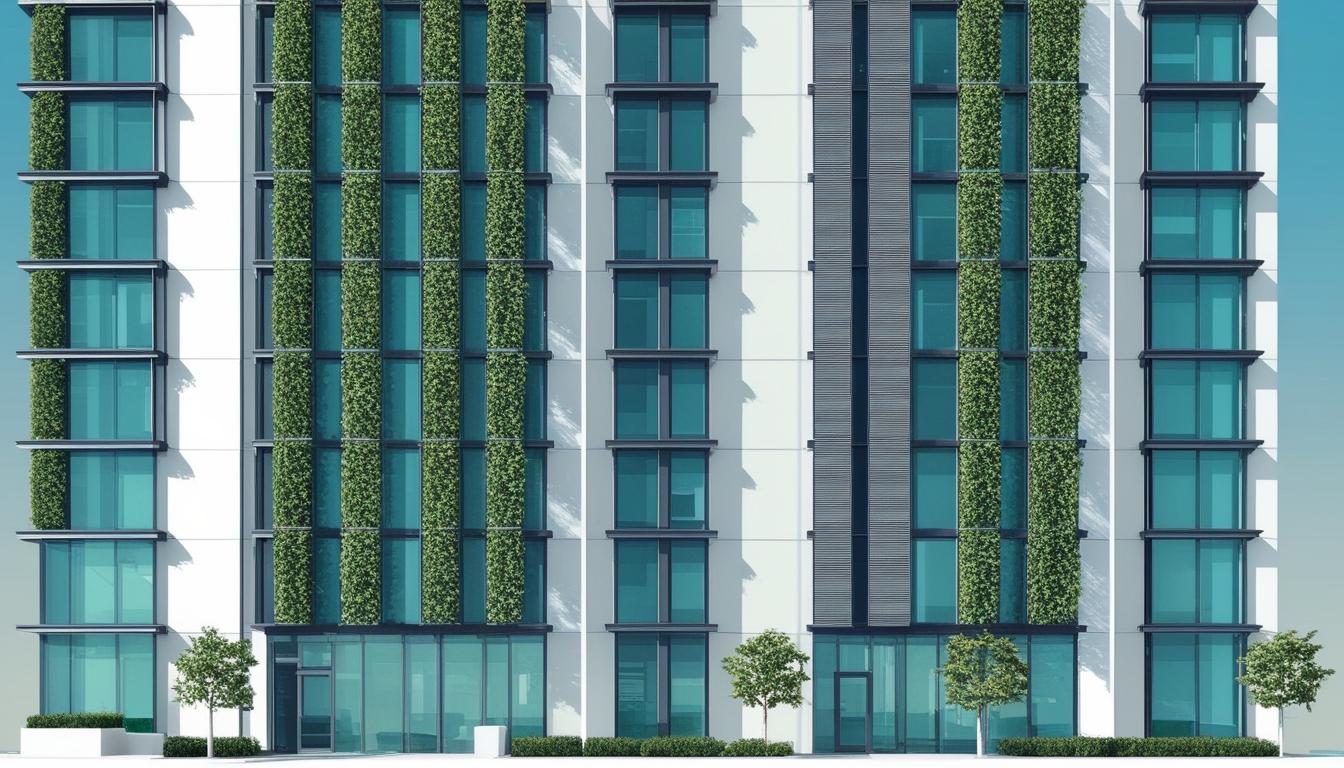
The curtain wall market in China is projected to undergo substantial growth, as reported by the global technology research and advisory company, Technavio. The market, which is anticipated to see an increase of USD 36.28 billion, is estimated to experience a compound annual growth rate (CAGR) of 19.5% between 2024 and 2028. This rapid growth is largely attributed to the increase in the construction of eco-friendly buildings, showcasing a strong demand for advanced curtain wall technologies.
Curtain walls, primarily composed of glass and aluminum, do not bear loads but serve as aesthetic facades that enhance a building's energy efficiency. Key innovations driving this sector include the development of solar cell curtain walls and LED glass displays. The latter, as developed by firms such as China Fangda Group, are increasingly used in commercial properties for promotional purposes.
As the industry evolves, modern curtain wall solutions incorporate high-performance glazing, thermal breaks, and automated shading systems. These elements contribute to energy conservation and cater to a contemporary preference for sustainable materials. Lightweight materials such as aluminum and glass remain popular for their durability and visual appeal. Innovations in these materials are prompting a shift towards unique and customized façade designs that are crucial for both new constructions and retrofitting projects.
Despite the positive growth trajectory, the curtain wall market does face some significant challenges. Designing and installing curtain walls is an intricate process that necessitates a skilled workforce and advanced equipment, which translates into substantial investment. The design framework involves complex coordination between electrical, plumbing, structural, and facade elements—any errors during these early stages can lead to costly reinstalls and present issues such as leaks or fire hazards. The lack of skilled designers further exacerbates these challenges, potentially hampering market expansion in the forecast period.
The focus on energy efficiency extends not only to the optimal utilisation of natural resources like sunlight but also to addressing concerns related to fire safety, UV protection, and the ability to withstand natural disasters and extreme weather conditions. This includes ensuring thermal insulation and compliance with green building certifications such as LEED and BREEAM. Additionally, the pressure to adhere to stringent environmental regulations is shaping the market's evolution.
China remains at the forefront, significantly contributing to the Asia-Pacific region’s dominance in the market. Leading companies active in this sector include Asahi India Glass Ltd., Compagnie de Saint-Gobain S.A., and Jangho Group Co. Ltd., among others. These players are instrumental in advancing competitive dynamics through the adoption of innovative material technologies and design solutions.
The market segmentation maps out various product categories such as unitized, stick-built, and semi-unitized curtain wall systems, each serving distinct end-users like commercial, public, and high-end residential buildings. These components ensure efficient installation and maintain quality control, crucial for meeting the evolving demands of modern architectural practices.
Technavio's comprehensive reports are valuable resources for understanding these trends, enabling enterprises to formulate strategies that optimise their market positions in response to emerging trends. The research identifies key opportunities and advancements, driven by AI and other technologies, that are reshaping the competitive landscape. Such deep market insights prove invaluable for companies navigating the future of the curtain wall industry in China amidst changing technologies and consumer expectations.
Source: Noah Wire Services