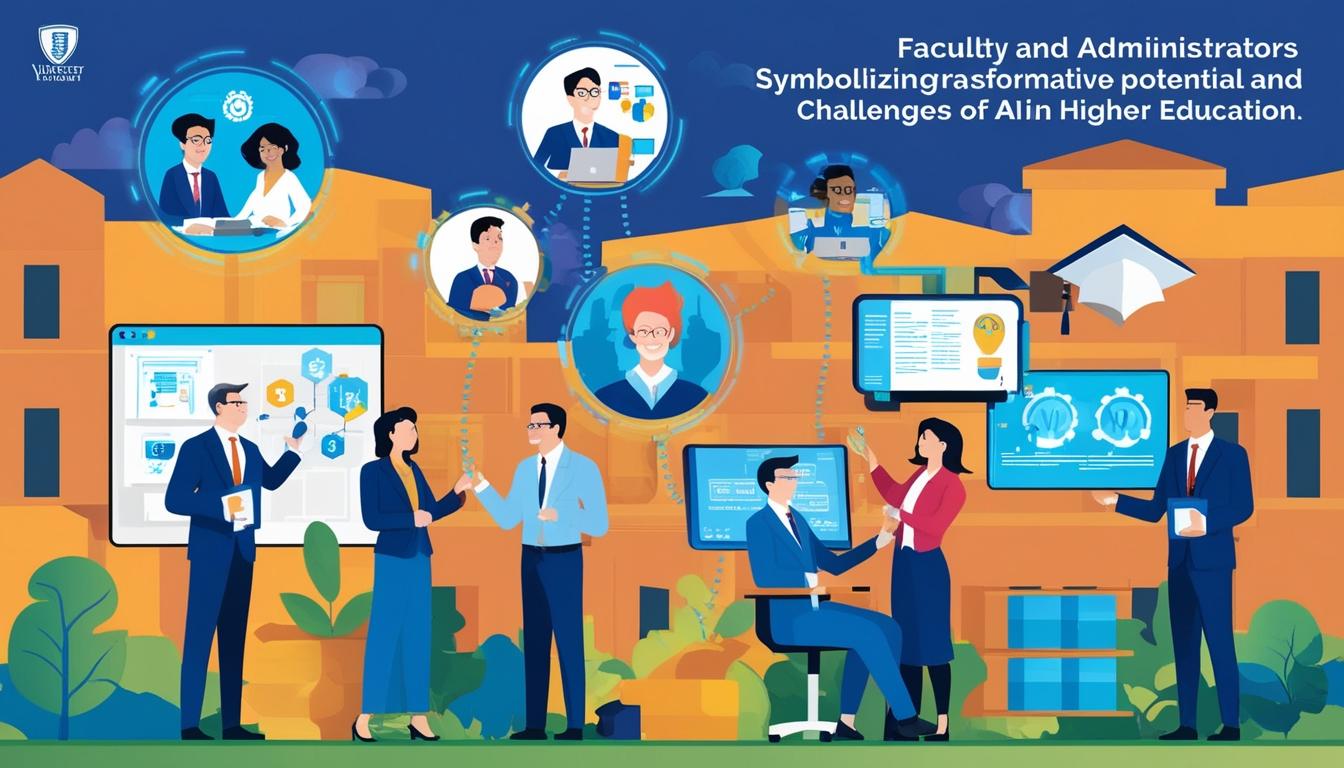
A recent report by Ellucian, a provider of technology solutions for higher education, highlights a significant increase in the professional and personal use of artificial intelligence (AI) by faculty and administrators across the United States and Canada. The “AI in Higher Education Survey,” conducted for the second year in succession, gathered insights from 445 faculty members and administrators spread across more than 330 academic institutions. The findings indicate not only a notable rise in current AI use compared to last year but also an expectation that this trend will continue to grow over the next two years.
According to the survey, the utilisation of AI in higher education has more than doubled from last year. Despite this growth, only a minority, around 15%, acknowledged not using AI tools, a figure that reportedly fell short of Ellucian's expectations. A substantial 93% of those surveyed anticipate increasing their use of AI in the next couple of years. Moreover, an overwhelming eight out of ten administrators believe that AI can significantly boost efficiency and productivity within their institutions.
The departments most engaged with AI currently include external affairs, data and analytics, and executive leadership, with usage rates recorded at 77%, 63%, and 62% respectively. These sectors are increasingly leveraging AI for tasks like predictive analytics, which is particularly valued for its potential to enhance enrolment processes, student success initiatives, and fundraising efforts. Respondents also expressed enthusiasm about AI's capabilities in crafting marketing materials, streamlining course scheduling, and aligning curricula with workforce requirements.
However, the growing reliance on AI is not without its concerns. The report suggests mounting apprehension regarding data privacy and the potential for bias in AI systems. These issues are becoming more prominent as institutions balance the benefits of AI with the need to protect sensitive information and maintain fair practices.
In an associated discourse, there is an underlying tension within universities between faculty and administrators, sometimes exacerbated by the use of new technologies. This friction is partly attributed to changes in shared governance structures within universities, which traditionally entail faculty involvement in key decision-making processes alongside university leaders and trustees. This model is often challenged by the appointment of nonacademic individuals to senior positions such as presidents or provosts, a move that can lead to a disconnect between faculty and administrators.
Critics point out that while faculty members often dedicate long careers to their institutions, administrators may serve for shorter tenures, using these roles as steps towards further career advancement. This transient nature of administrative roles can contribute to a lack of continuity and a detachment from the academic community’s established culture and needs.
Overall, the increased presence of AI in higher education institutions underscores a transformative period in academia. While AI promises a range of efficiencies and capabilities, it also necessitates careful consideration of its broader impacts on institutional governance, data security, and equality in educational practices.
Source: Noah Wire Services