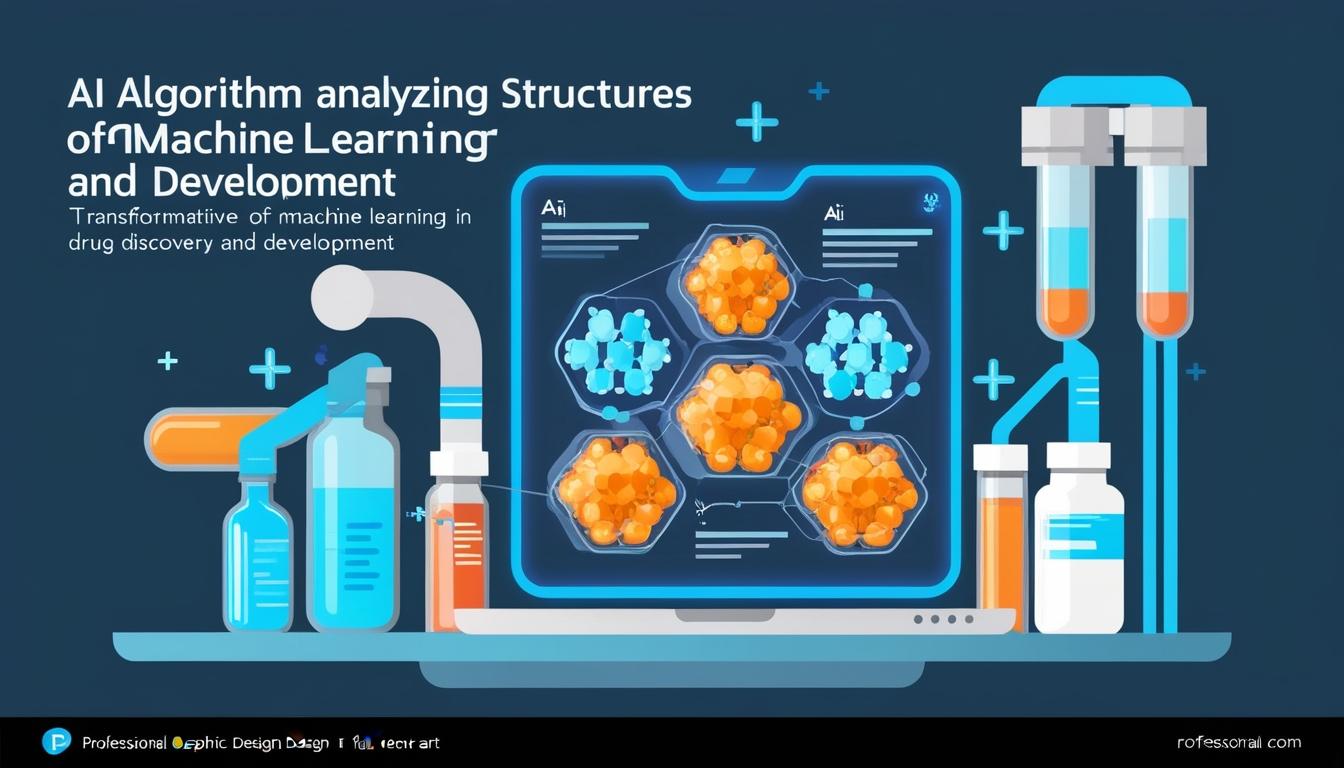
AI and Machine Learning Fuel New Era in Drug Discovery
In recent years, artificial intelligence (AI) and machine learning (ML) have emerged as pivotal technologies revolutionising the field of drug discovery and development. These cutting-edge tools are promising unprecedented efficiencies, transforming how researchers develop therapies for patients worldwide.
The integration of AI and ML into pharmaceutical research processes is detailed in a comprehensive report titled "AI & ML: How Technology is Improving Drug Discovery." Released by Drug Discovery World (DDW) and sponsored by Benchling, the report serves as an informative resource that delves into the myriad ways these technologies are enhancing the drug discovery landscape.
The global market for AI and ML in drug discovery has been expanding significantly as pharmaceutical companies and research institutions invest heavily in these technologies. The report outlines the market trends and indicates a robust momentum in AI applications ranging from drug design to clinical trials.
Among the critical insights provided is the role of AI in discovering new small molecule medicines. Small molecules, crucial components in the fight against diseases, require meticulous design and testing processes. AI has become essential in optimising these processes, enabling researchers to sift through vast datasets efficiently to identify potential candidates for further testing and development.
The report also highlights the innovative strides AI is making across the entire Research and Development (R&D) lifecycle. Traditionally, the drug development process can be time-consuming and costly, often taking years and involving significant resource allocation. With AI, researchers are now able to streamline various stages—from initial drug discovery through to post-market surveillance—thereby accelerating time-to-market for new therapies.
Currently, multiple research initiatives and collaborations are underway, leveraging AI to drive drug discovery. These projects illustrate the burgeoning interest and confidence in AI, with several companies actively engaging in partnerships to harness its full potential. This synergy aims to propel research capabilities and foster the development of novel therapeutic solutions.
The case for further integrating AI and ML in drug discovery is also supported by ongoing technological advancements and successes in previous applications, which continue to widen the scope and scale of possibilities in medical research.
This emerging technological frontier not only marks a shift in the paradigms of pharmaceutical research but also represents an ongoing commitment within the industry to embrace innovation and improve patient outcomes. As AI continues to reshape drug discovery, its impact on the speed, cost, and efficacy of therapeutic development is expected to grow, offering a promising future for the pharmaceutical industry and global health.
Source: Noah Wire Services