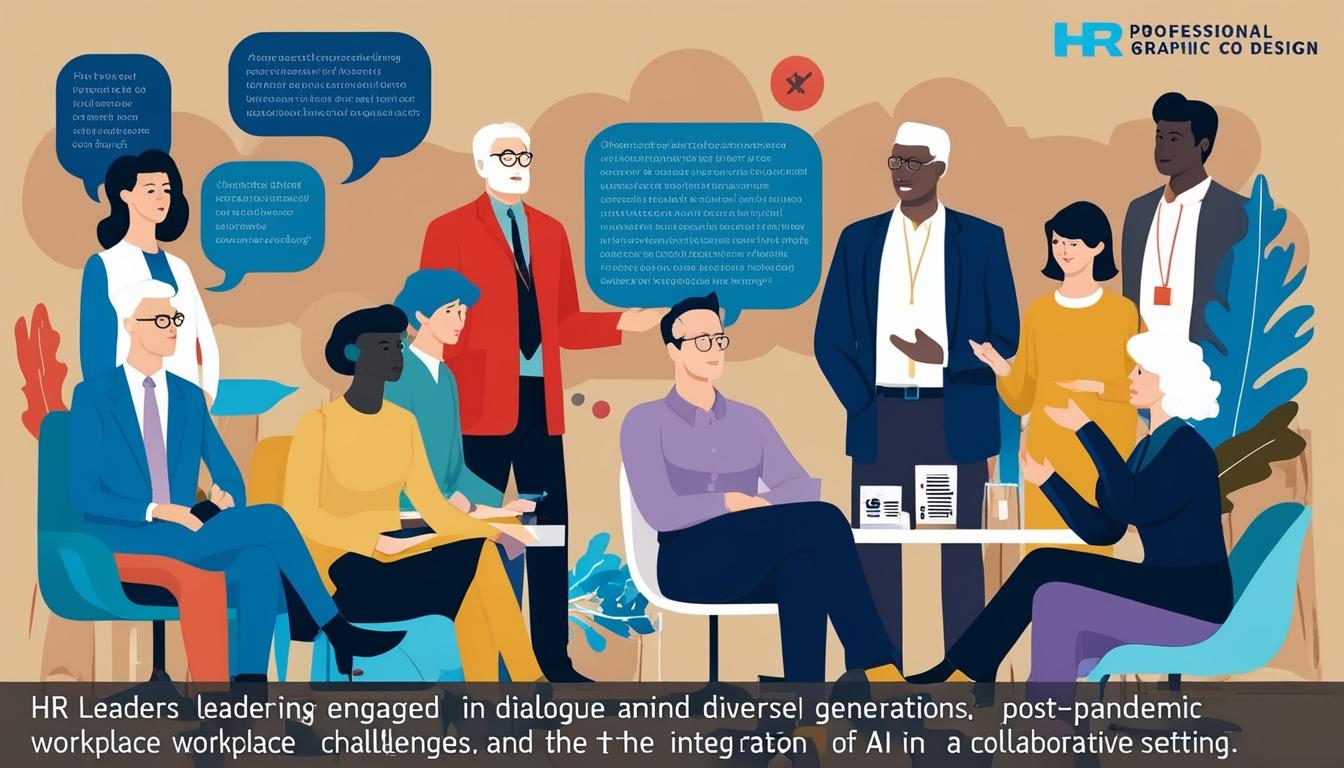
In a recent gathering in New York, Human Resources (HR) leaders from various companies and industries convened to discuss the ongoing challenges faced in the workplace environment post-pandemic. The event was organised as a dinner sponsored by WorkLife, aimed at facilitating an open dialogue among Chief Human Resources Officers (CHROs) and other HR professionals.
Despite the easing of the pandemic, HR leaders noted that its impact continues to linger, particularly through issues related to Return to Office (RTO) policies, the integration of Artificial Intelligence (AI) in workplaces, and managing a workforce that spans multiple generations with differing expectations and work ethics. These themes dominated the conversation, highlighting the evolving landscape that HR professionals are navigating in the contemporary workplace.
The HR leaders, under an agreement of confidentiality, shared insights and experiences about their respective challenges. Considerations regarding how to successfully implement RTO policies have been a focal point, considering many employees developed a preference for remote work during the pandemic. The discussions touched on strategies for balancing flexibility with the benefits of in-person collaboration.
Furthermore, the rapid rise of AI technologies has presented both opportunities and challenges for HR departments. Leaders are grappling with the integration of these technologies, ensuring they are used to streamline operations without compromising human jobs or making work environments impersonal. The conversations revealed a collective awareness of the need to harness AI's capabilities while maintaining a human-centric workplace atmosphere.
Another pressing issue discussed was the generational divide within workplaces. With a workforce made up of Baby Boomers, Generation X, Millennials, and the emerging Generation Z, HR professionals are tasked with creating policies that cater to diverse needs and expectations. Each generation brings unique strengths, yet their differing perspectives on work-life balance and technology use require nuanced approaches from HR professionals to ensure harmonious and productive work environments.
Overall, the dinner served as a vital platform for HR leaders to exchange ideas, strategies, and concerns, helping them to better navigate the intricacies of a post-pandemic era damaged by unprecedented changes. It is clear that while the challenges are complex, these leaders are committed to adapting their roles and strategies to effectively manage and support their diverse workforces.
Source: Noah Wire Services