Understanding Indemnification in Business Acquisitions: A Key to Negotiation Success
Indemnification is a critical component in the realm of mergers and acquisitions, serving as a safeguard for buyers against potential liabilities originating from the period during which sellers owned the business. It is one of the most heavily negotiated elements in a purchase agreement, often impacting the overall terms and execution of a business deal.
Attorney Paul Pincus of the law firm Ortoli Rosenstadt LLP provides insight into the complexities of indemnification, highlighting the significance of mastering the associated terminology and concepts during negotiations. Pincus underscores the importance of clearly defining the scope and limitations of a seller's liabilities to ensure a smooth transition of ownership.
Under typical indemnity provisions, sellers are expected to accept responsibility for specific liabilities that may arise from their tenure as owners. This can include outstanding legal claims, tax obligations, or warranties that were issued prior to the sale. These provisions aim to protect buyers from unforeseen financial burdens, thus allowing them to have greater confidence in their investment.
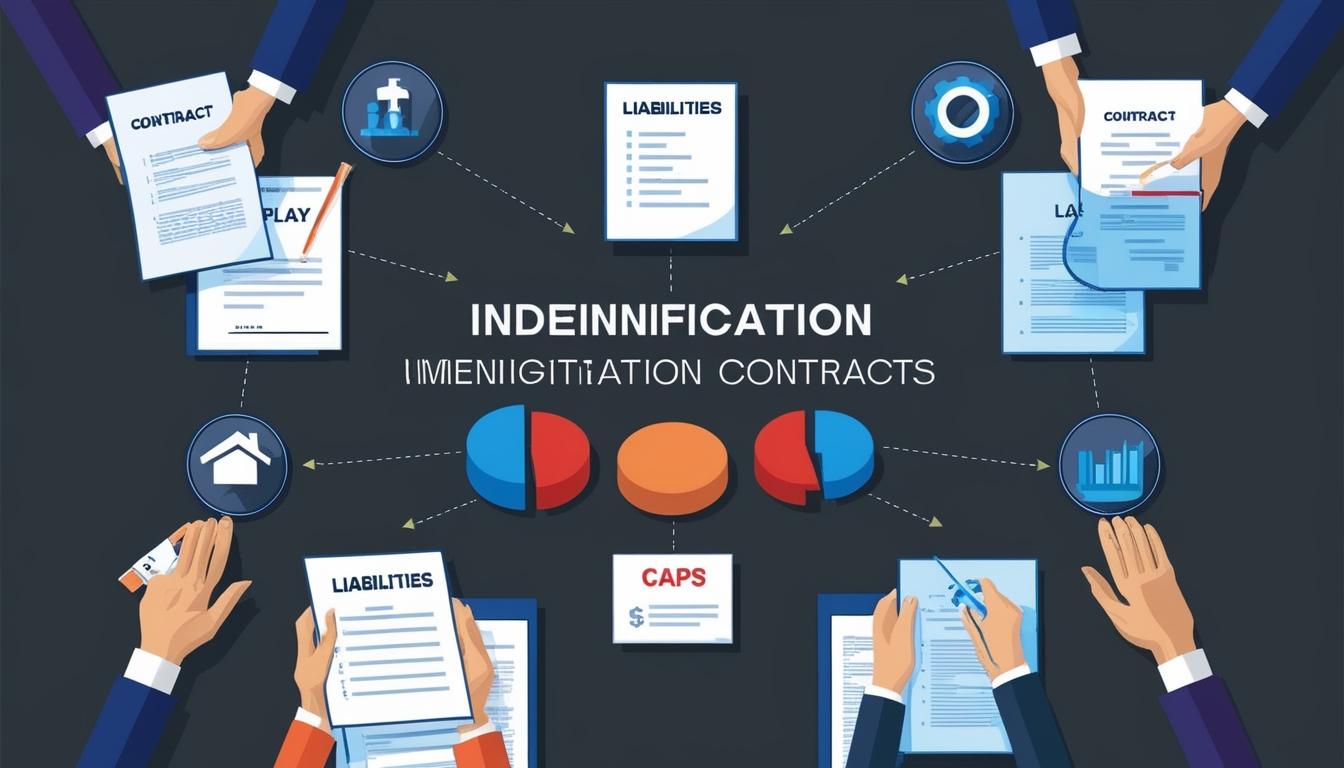
However, the extent of a seller’s liability is not limitless. Purchase agreements commonly include caps on indemnity, setting maximum amounts for which sellers can be held responsible. These caps can provide a safety net for sellers, ensuring that their financial exposure does not exceed agreed-upon thresholds. Sellers might also seek to establish thresholds or 'baskets', which must be met before indemnification claims can proceed, thus preventing minor claims from escalating into significant financial disputes.
Furthermore, the agreements typically detail the time frame within which an indemnity claim can be made. Known as the survival period, this timeline dictates how long after closing a buyer can bring forward claims related to breaches or prior commitments by the seller.
Another crucial aspect of indemnification discussed by Pincus is the method through which potential indemnity claims might be funded. Buyers often seek reassurance that funds will be available to cover any necessary claims. This might involve setting aside escrow funds, obtaining insurance policies, or employing other financial instruments as part of the agreement.
By thoroughly negotiating indemnification clauses, both buyers and sellers can achieve greater clarity and protection, ultimately facilitating more successful business transactions. Understanding these nuances allows parties to mitigate risks and avoid disputes, ensuring that the transition of business ownership is as seamless as possible.
In conclusion, indemnification clauses play an indispensable role in business acquisitions, impacting the rights and responsibilities of the parties involved. Mastery of these provisions, as advocated by experts like Paul Pincus, is imperative for anyone navigating the complex landscape of mergers and acquisitions.
Source: Noah Wire Services