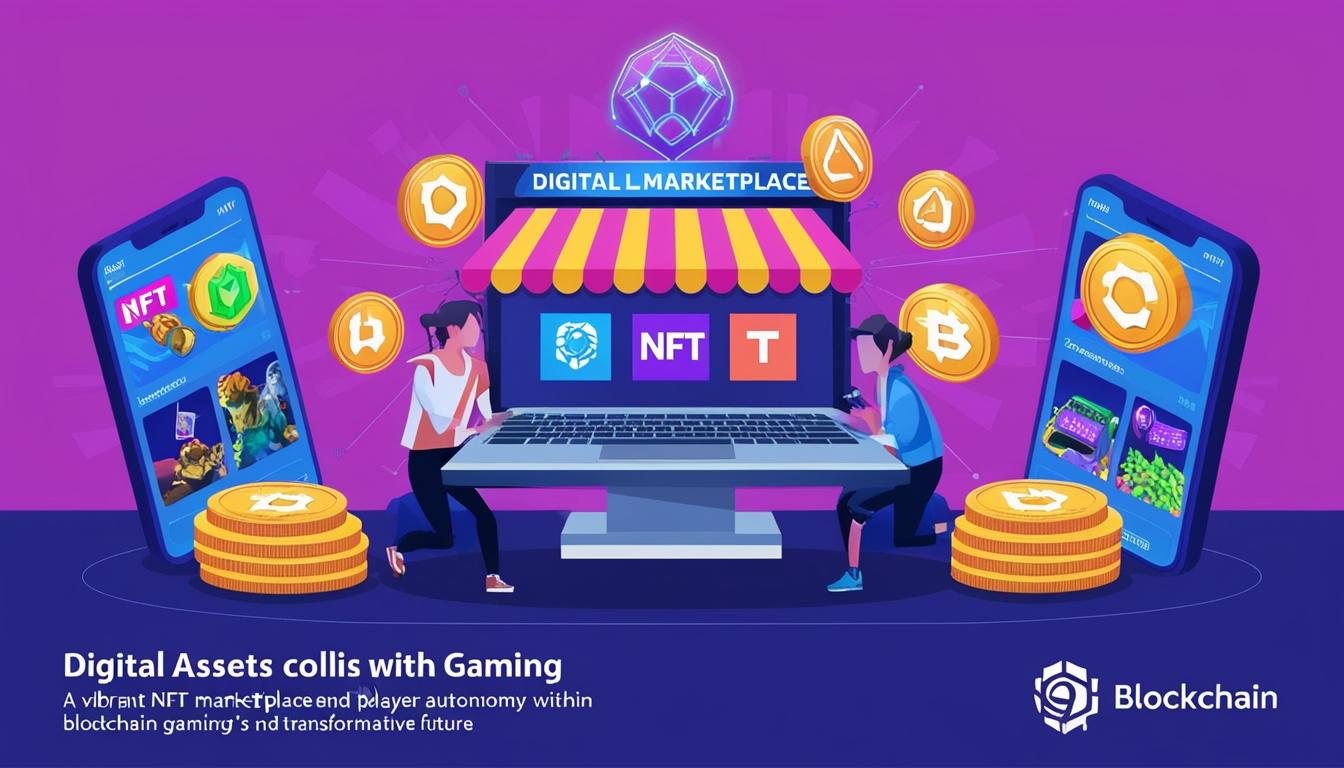
Blockchain Gaming: Navigating the Future of Digital Ownership and NFTs
In the rapidly evolving landscape of the gaming industry, blockchain gaming has emerged as a significant topic of discussion, particularly as digital ownership and Non-Fungible Tokens (NFTs) become increasingly integrated into gaming experiences. Through a recent analysis, insights from ChatGPT have shed light on the future trajectory of blockchain gaming, offering a glimpse into the advancements and challenges that lie ahead.
The Evolution of Blockchain Gaming
By the end of 2024, blockchain gaming is anticipated to be prominently defined by the concept of real ownership of in-game assets. These assets, secured on a blockchain, offer players the ability to trade them freely, thus introducing new economic opportunities that enhance player autonomy and engagement. The decentralised nature of this technology potentially revolutionises decision-making processes, granting players a significant role in shaping the development and progression of games.
Reflections on NFTs and Early Reactions
The introduction of NFTs into gaming witnessed a blend of intrigue and scepticism among the gaming community. Around 2021, the allure of owning unique in-game items attracted players with the promise of trading or selling these assets beyond the gaming platforms. However, concerns were raised regarding the prevalence of scams, the environmental consequences of blockchain technologies, and the overarching sustainability of NFTs. These concerns fostered a cautious optimism among gamers, who were intrigued yet wary of the implications.
The Dual Nature of the NFT Boom
The surge of interest in NFTs during 2021-2022 ushered in widespread recognition of the potential for digital ownership. However, it equally contributed to a sceptical outlook, as the speculative nature of the market cast doubts over its long-term value. For blockchain gaming to thrive, it must transcend speculation, focusing on enriching player experiences and sustaining authentic engagement within gaming environments.
Addressing Gamer Scepticism
Despite technological advancements, blockchain gaming continues to face scepticism. Efforts are currently underway to integrate blockchain features seamlessly into games, aiming to offer substantial benefits while maintaining high-quality gameplay. Nonetheless, the perception of blockchain as a possible financial exploitation tool persists, prompting ongoing efforts to rebuild trust within the gaming community.
Game Publishers' Hesitance
Major game publishers remain tentative in their adoption of blockchain technologies. Reasons for this cautiousness include adherence to traditional revenue models, concerns about brand reputation, and uncertainties related to technical and regulatory landscapes. These companies are carefully monitoring the evolution of blockchain mechanics and player attitudes, poised to strategically enter the market when the conditions are opportune.
The Prospect of Gaming as a Source of Livelihood
While the potential for players to earn a livelihood through blockchain-enabled games is recognised, it remains a distant ambition. Realising this vision demands a carefully balanced blend of engaging gameplay, sustainable game economies, and equitable earning opportunities for players. Progressing towards this objective requires ongoing innovation in both blockchain technology and game design methodologies.
The ongoing dialogue and analysis surrounding blockchain gaming continue to shape its future, highlighting an industry at the cusp of transformation. As the gaming world evolves, stakeholders remain attentive, prepared to navigate the complex dynamics introduced by blockchain technology.
Source: Noah Wire Services