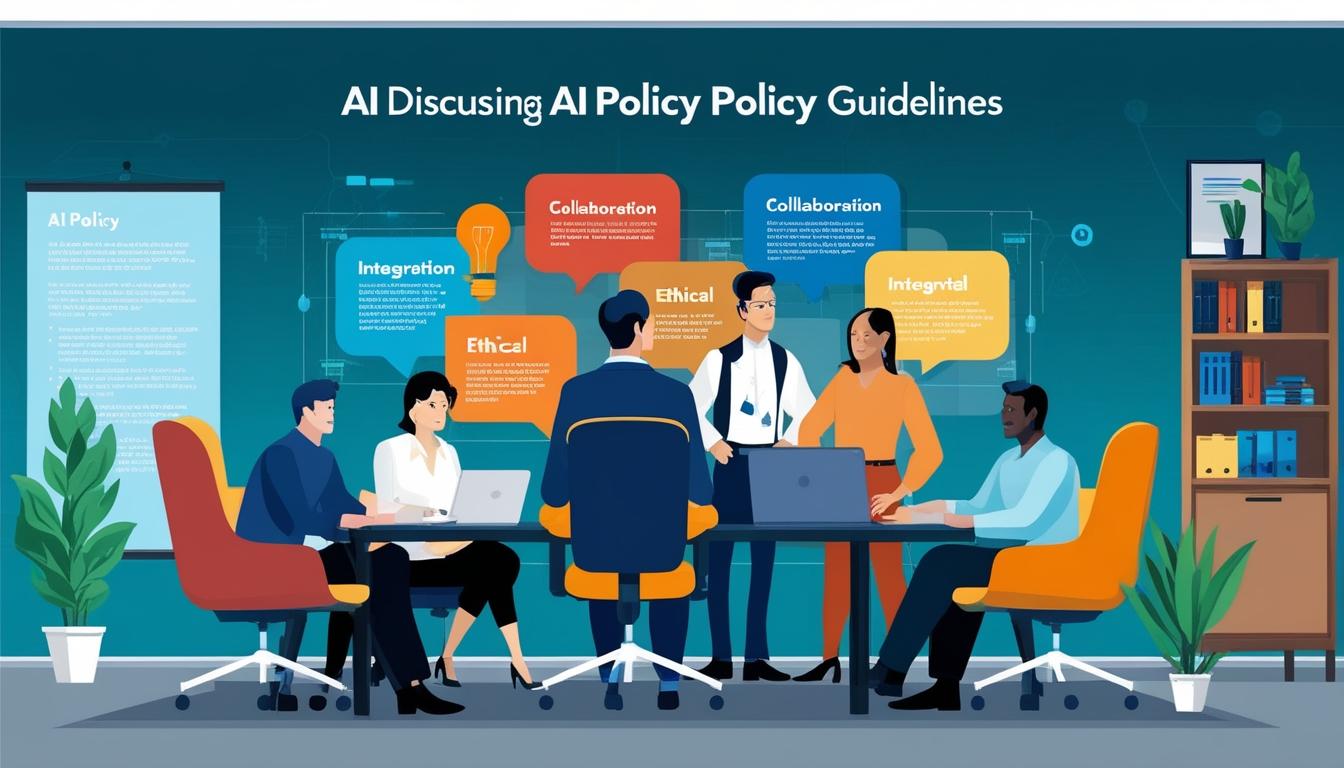
In today’s rapidly evolving technological landscape, the integration of artificial intelligence (AI) into workplace environments has become increasingly ubiquitous. However, as AI adoption accelerates, the establishment of clear guidelines to govern its use remains a challenge. A recent survey by CYPHER Learning, titled "Bridging the AI Digital Divide," reveals that 69% of employees feel there is a pressing need for enhanced guidance on the utilisation of AI in their professional settings. This underscores a growing demand for structured AI policies within organisations.
The absence of well-defined AI policies can lead to both operational inefficiencies and ethical dilemmas. As illustrated during the recent POLITICO AI & Tech Summit, industry leaders are advocating for swift action. Kevin Czinger, CEO of Divergent and Czinger Vehicles, stressed the importance of devising clear policies to enable US manufacturers to remain competitive on a global scale and avoid repeating past failures.
For organisations, the task of creating an effective AI policy framework often falls on HR leaders. This initiative is not just about mitigating risks associated with AI, but also about harnessing its potential to drive productivity and foster trust within the organisation. To aid in this effort, experts suggest a series of steps to craft comprehensive AI guidelines.
Firstly, conducting a needs assessment is crucial. This involves gathering insights from employees through surveys and focus groups. Such an assessment can help pinpoint specific areas where AI guidance is most required, addressing concerns such as job security.
Once needs are established, setting clear objectives aligned with business goals is the next step. Organisations must define how AI will support these objectives, while also highlighting the potential risks involved.
Ethical considerations form another cornerstone of the AI policy framework. This involves ensuring transparency in AI operations, monitoring for bias, and maintaining accountability for AI-driven decisions. These measures reinforce user trust and navigate ethical challenges.
Training and resource allocation are vital for successful AI integration. By organising workshops and regular updates, employees can gain a better understanding of AI tools, their capabilities, and limitations. Such initiatives promote responsible AI usage and boost organisational productivity.
A feedback loop is essential to allow continuous improvement of the AI policy framework. Establishing regular feedback channels like surveys or open forums enables employees to share experiences and raise concerns, facilitating ongoing policy enhancements.
Compliance with existing legal and regulatory standards is non-negotiable. Organisations should keep abreast of evolving laws regarding data protection and AI usage to minimise legal risks and safeguard employee rights.
Lastly, fostering an environment of innovation and collaboration encourages employees to see AI as a tool for progress. By involving them in AI projects and development discussions, organisations can reduce resistance and enhance engagement.
The successful implementation of an AI policy framework requires concerted efforts from leadership. Securing buy-in from senior management and communicating the policy effectively through various channels is key. Additionally, ongoing monitoring and evaluation ensure the policy remains relevant and effective.
As AI continues to reshape the workplace, organisations have a responsibility to guide its ethical and effective use through robust policy frameworks. This approach not only addresses employee concerns but also optimises the return on AI investments, paving the way for future innovations in the working world.
Source: Noah Wire Services