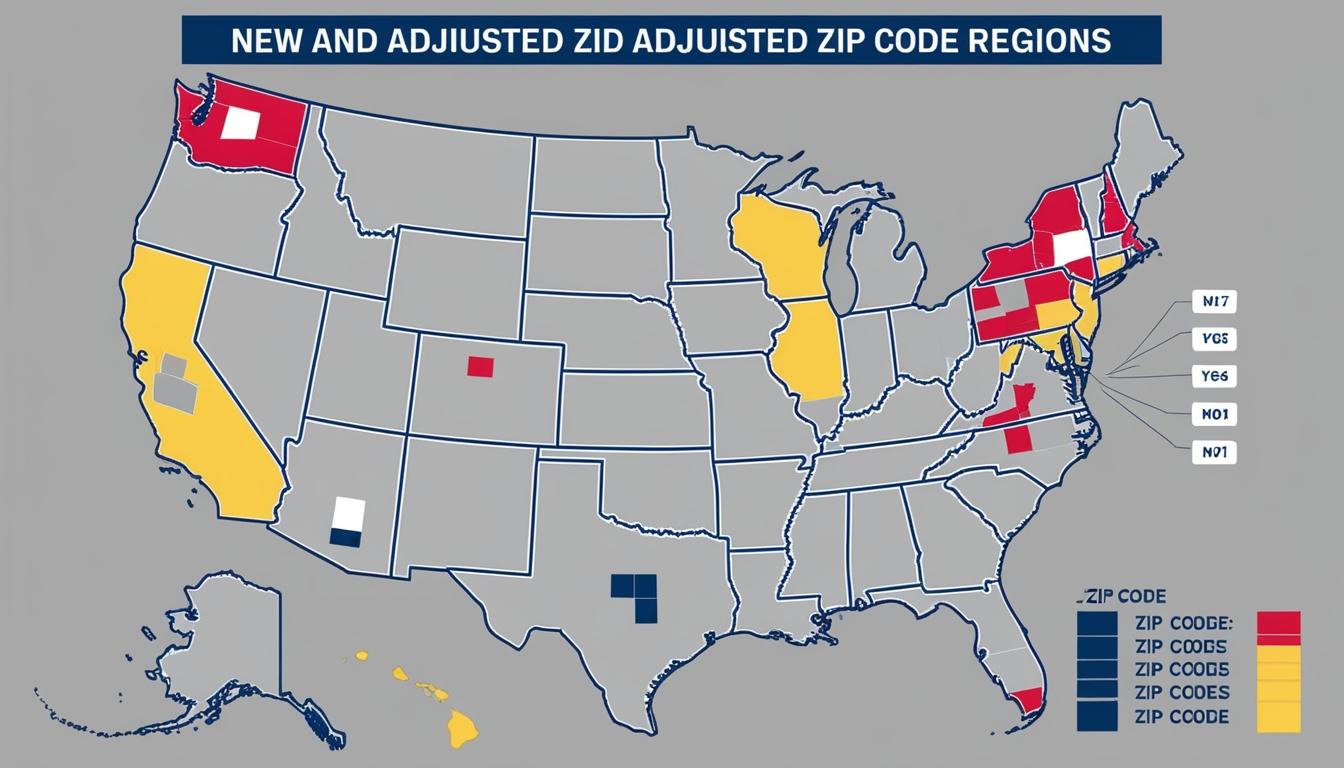
Significant Changes in US Statewide Zip Code Allocations
Recently, a notable update has been made to the allocation of zip codes across several key regions in the United States and its territories. This change affects numerous states, further expanding to territories in the Pacific and the Caribbean, as well as select areas in Canada.
The updates involve the introduction of new zip code ranges and the reallocation of existing ones to accommodate growing populations and evolving postal service requirements. The states affected by these modifications include Alabama, Alaska, Arizona, and Arkansas, through to major regions such as Texas, California, Florida, and New York, among others.
In addition to the 50 US states, both Washington D.C. and various territories including Puerto Rico, US Virgin Islands, Northern Mariana Islands, and Guam are undergoing similar updates. This move addresses logistical needs sparked by increased demand for efficient postal services amid population shifts and urban expansions.
Canada has also been subjected to parallel changes, impacting provinces and territories such as Alberta, British Columbia, and areas extending to Yukon Territory. These adjustments aim to streamline cross-border mail distribution which is crucial for maintaining seamless mail service between the US and Canada.
The adjustments underscore the dynamism of postal logistics and the continuous effort to maintain an effective and efficient mail delivery system. The United States Postal Service, alongside Canadian postal authorities, has been instrumental in implementing these changes.
Overall, this update affects millions of residents and businesses who rely on postal services. Keeping informed on the new zip code allocations is essential for ensuring uninterrupted mailing services, timely deliveries, and precise addressing of correspondence. As these changes roll out, customers have access to resources and guidance from postal services to navigate the new system effectively.
Source: Noah Wire Services